Open today · 00:00–23:59

How to Get to Daikoku Parking Area from Tokyo — Expressway Access & Route Guide

How to Get to Daikoku Parking Area from Tokyo — Expressway Access & Route Guide

Navigate the Bayshore Route and Wangan Line, where Tokyo's car culture convenes under city lights.

11.4K+ travelers chose this
Free Cancellation
Right now: Moderate — summer weekend
1-2 hours travel time
1 Languages
Individual or group travel
Free Cancellation
Free entry Open 24/7 Mobile directions Verified routes Instant confirmation
Choose your ticket

Ticket options at a glance

Compare fares, pick the fit — all bookings are mobile-voucher and eligible for free cancellation where shown.

Tokyo JDM Night Tour: Daikoku PA, Tokyo Drift Spots & Iconic Landmarks 4 hr
Standard Entry

Tokyo JDM Night Tour: Daikoku PA, Tokyo Drift Spots & Iconic Landmarks

4.8 (933)
€104
  • Entry ticket
  • Mobile voucher
  • Valid same day
  • Free cancellation
Book this ticket
Tokyo JDM Night Tour: Daikoku Car Meet & City Lights 4 hr
Standard Entry

Tokyo JDM Night Tour: Daikoku Car Meet & City Lights

4.9 (499)
€86
  • Entry ticket
  • Mobile voucher
  • Valid same day
  • Free cancellation
Book this ticket
Featured Experiences

Popular tours & activities

Hand-picked experiences loved by thousands of travelers

Recommended Experience

Powered by GetYourGuide

Another traveler favorite

Powered by GetYourGuide
Tokyo JDM Night Tour: Daikoku PA Car Meet with Hotel Pickup 4 hours Free Cancellation

Tokyo JDM Night Tour: Daikoku PA Car Meet with Hotel Pickup

Cruise Tokyo's neon streets and join a legendary JDM car meet at Daikoku PA on this private 4-hour night tour.

4.9 (90)
FromFrom €67.41
See details
Tokyo JDM Club Night Drive: Daikoku & City Landmarks 3.5 hours Free Cancellation

Tokyo JDM Club Night Drive: Daikoku & City Landmarks

Ride shotgun in iconic tuned JDM machines through Tokyo's legendary car culture spots.

4.9 (568)
FromFrom €108.85
See details
Tokyo Private R34 Skyline JDM Drive & Daikoku Car Meet 4 – 6 hours Free Cancellation

Tokyo Private R34 Skyline JDM Drive & Daikoku Car Meet

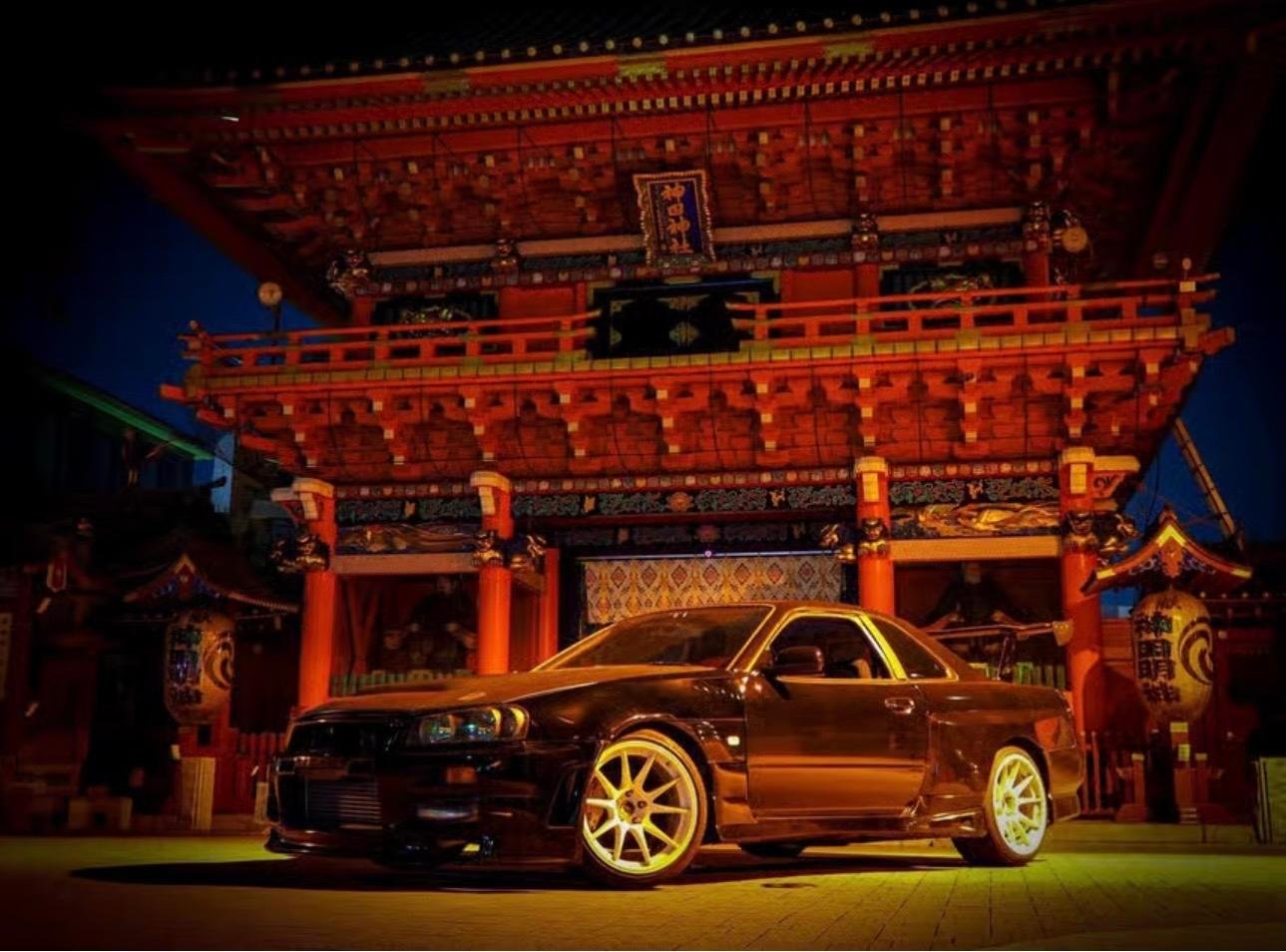
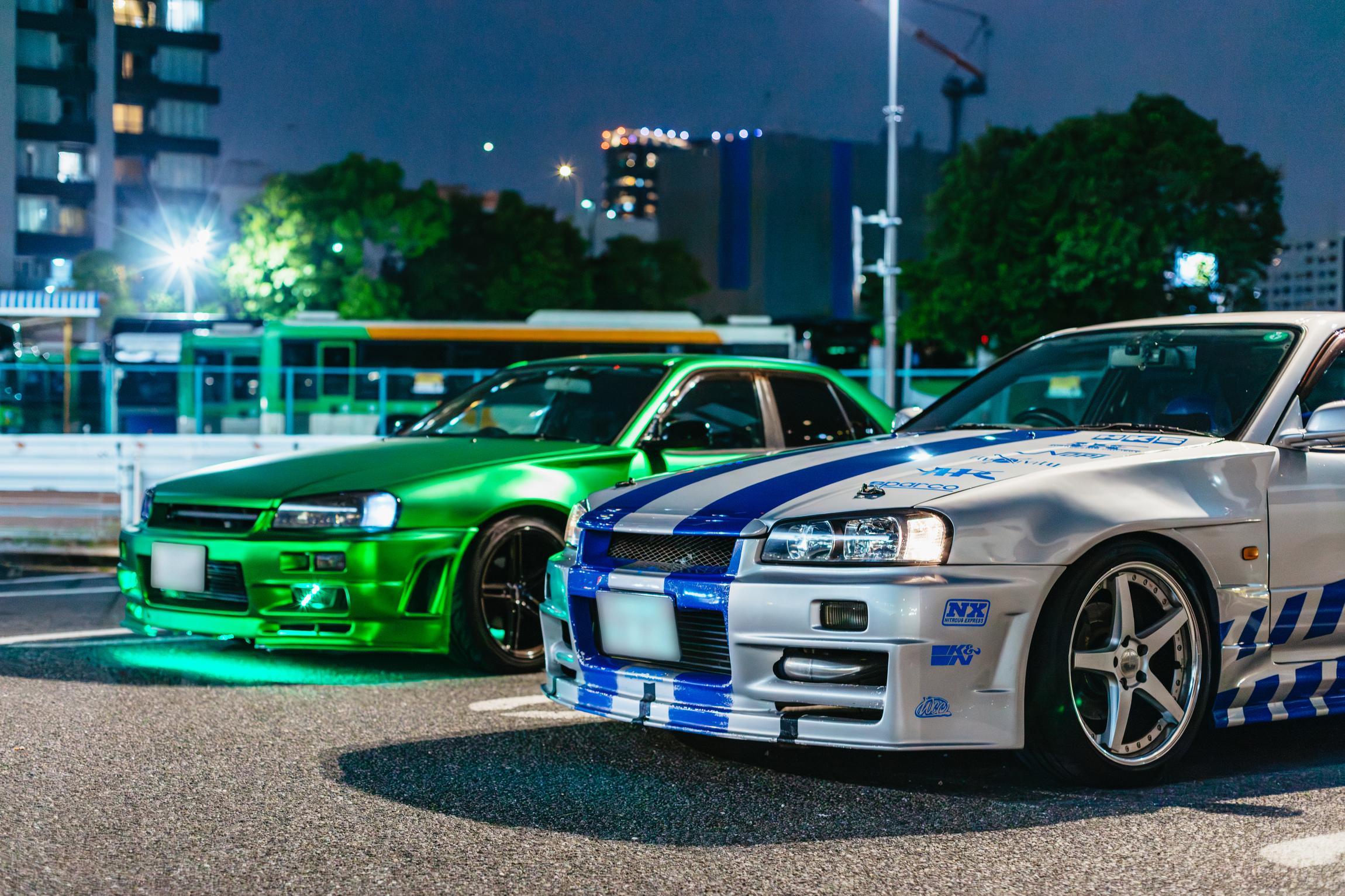
Cruise Tokyo in a legendary R34 Skyline with Brian O'Conner livery — a bucket-list JDM adventure.

5 (137)
FromFrom €307.41
See details
What you'll see

Highlights not to miss

Main Building

Central facility housing the convenience store and snack area. The building serves as the main hub for visitors and features a second-floor viewing deck.

The experience

What the visit is really like

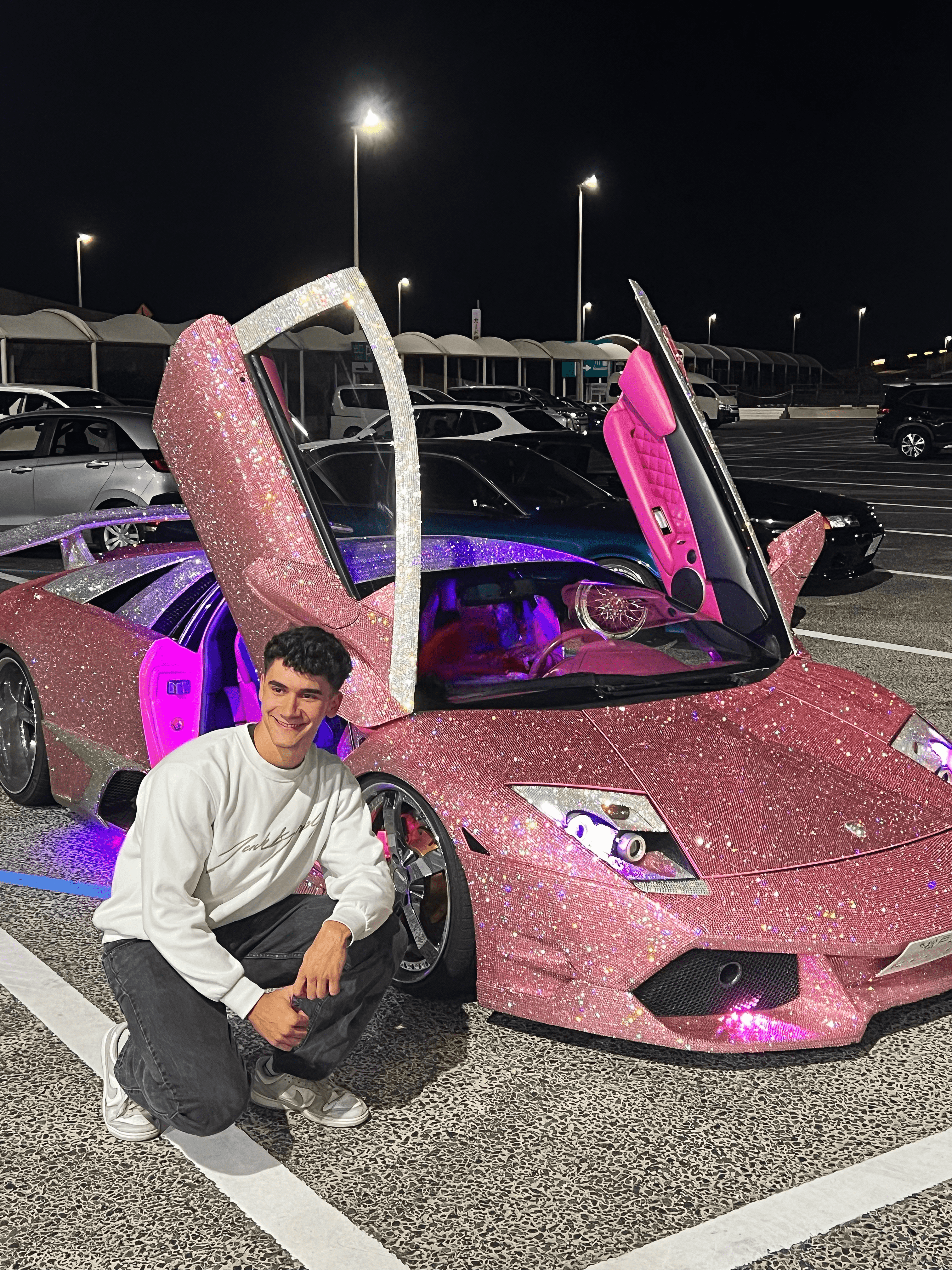
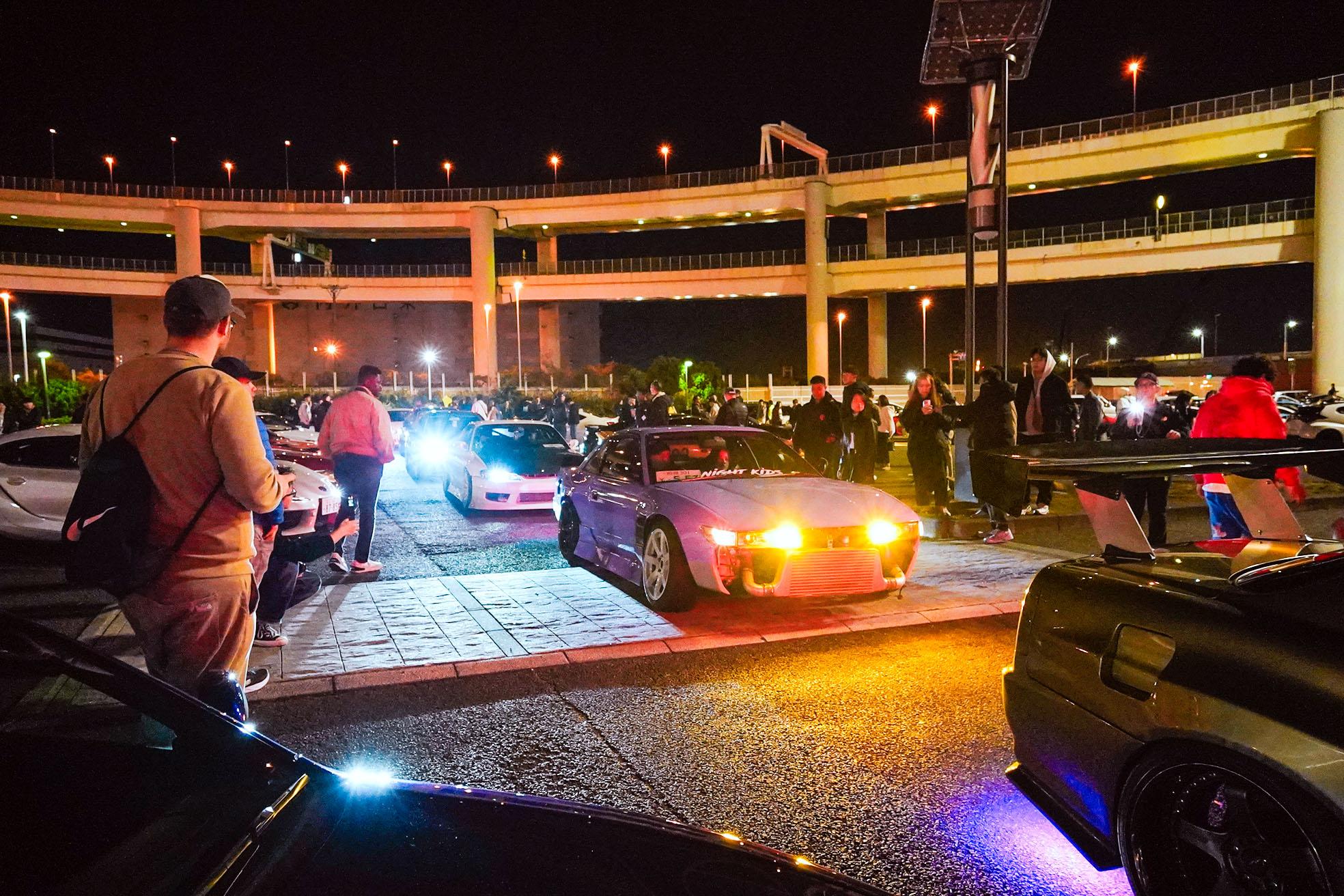
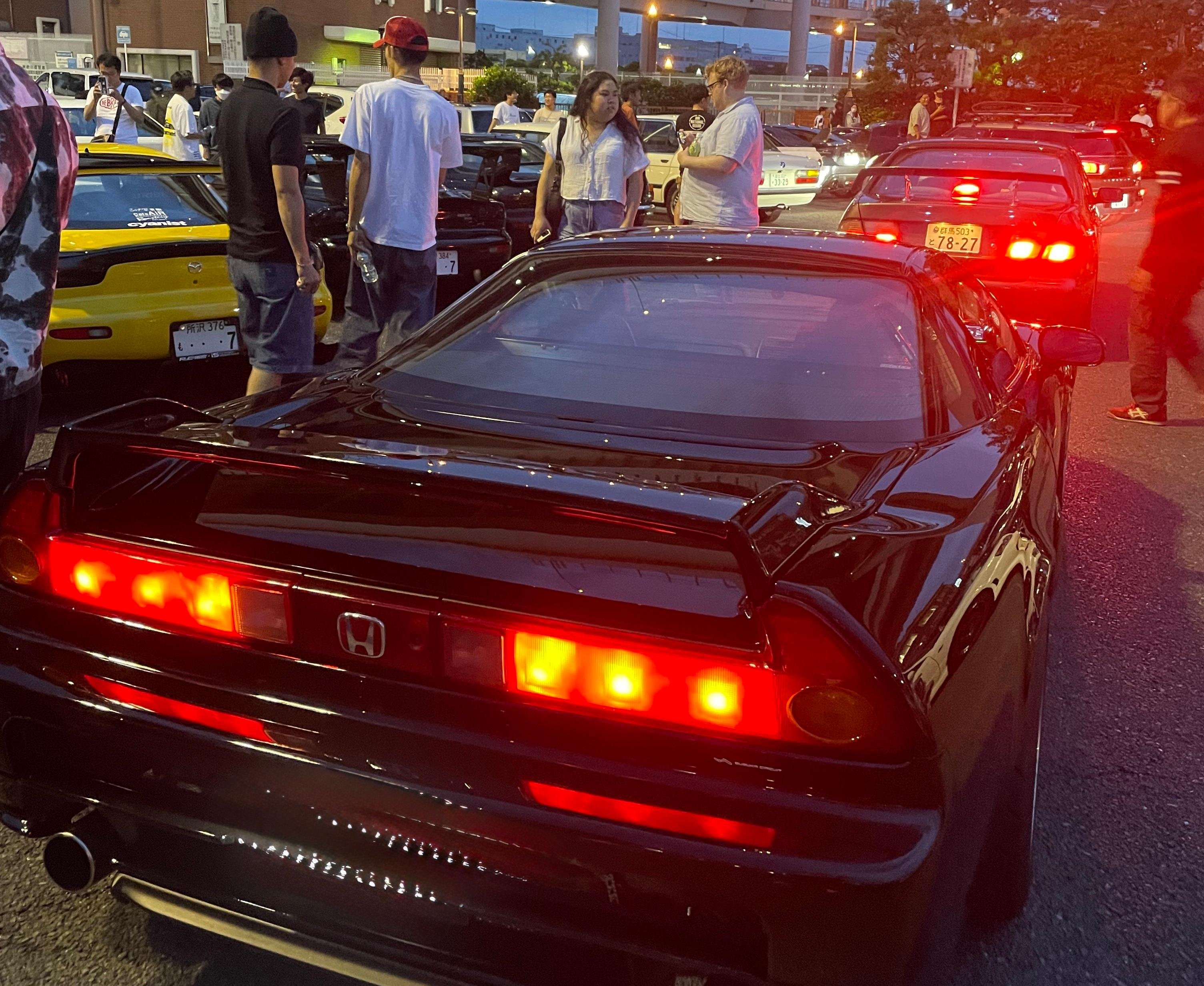
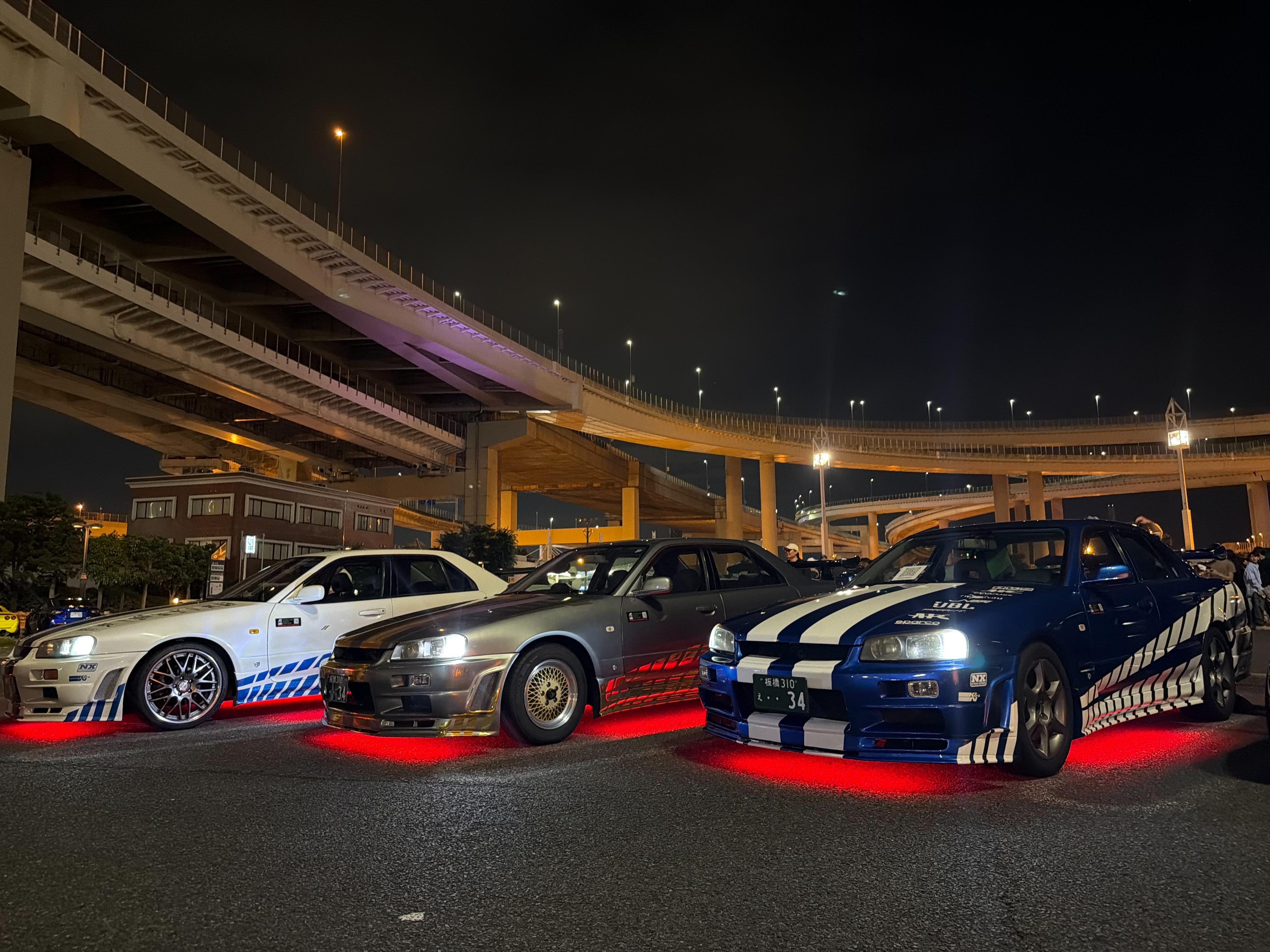
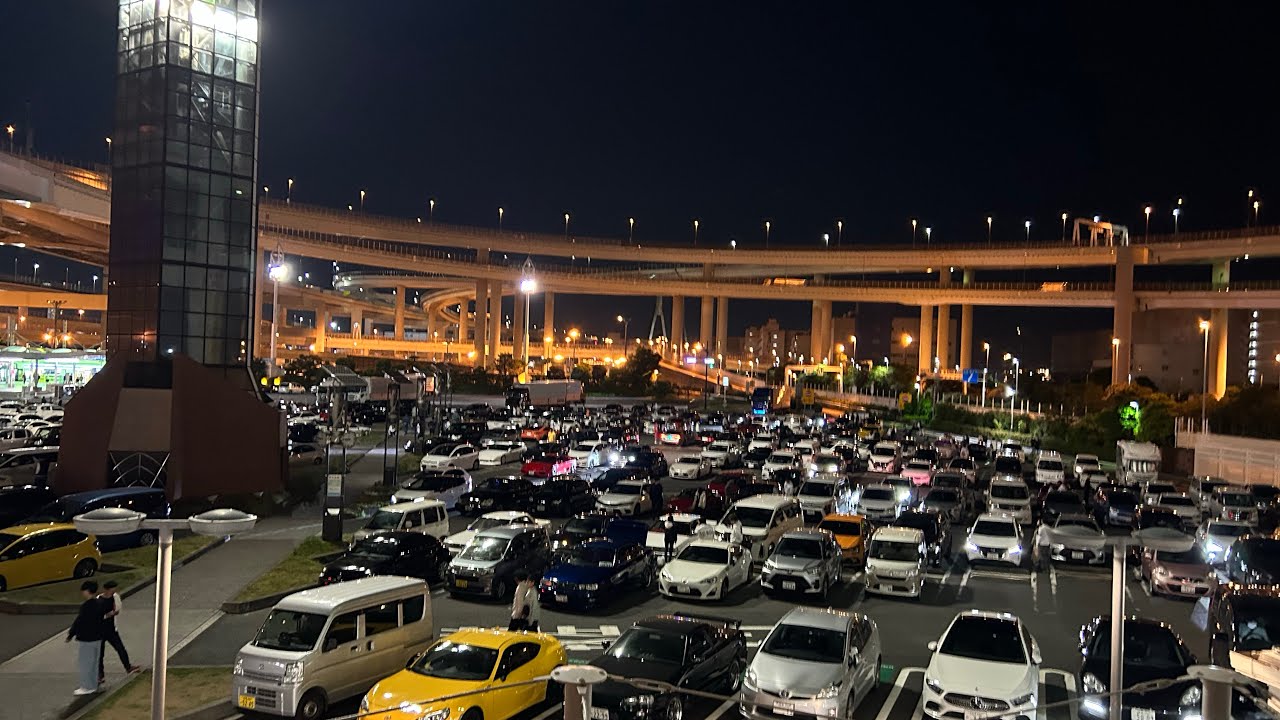
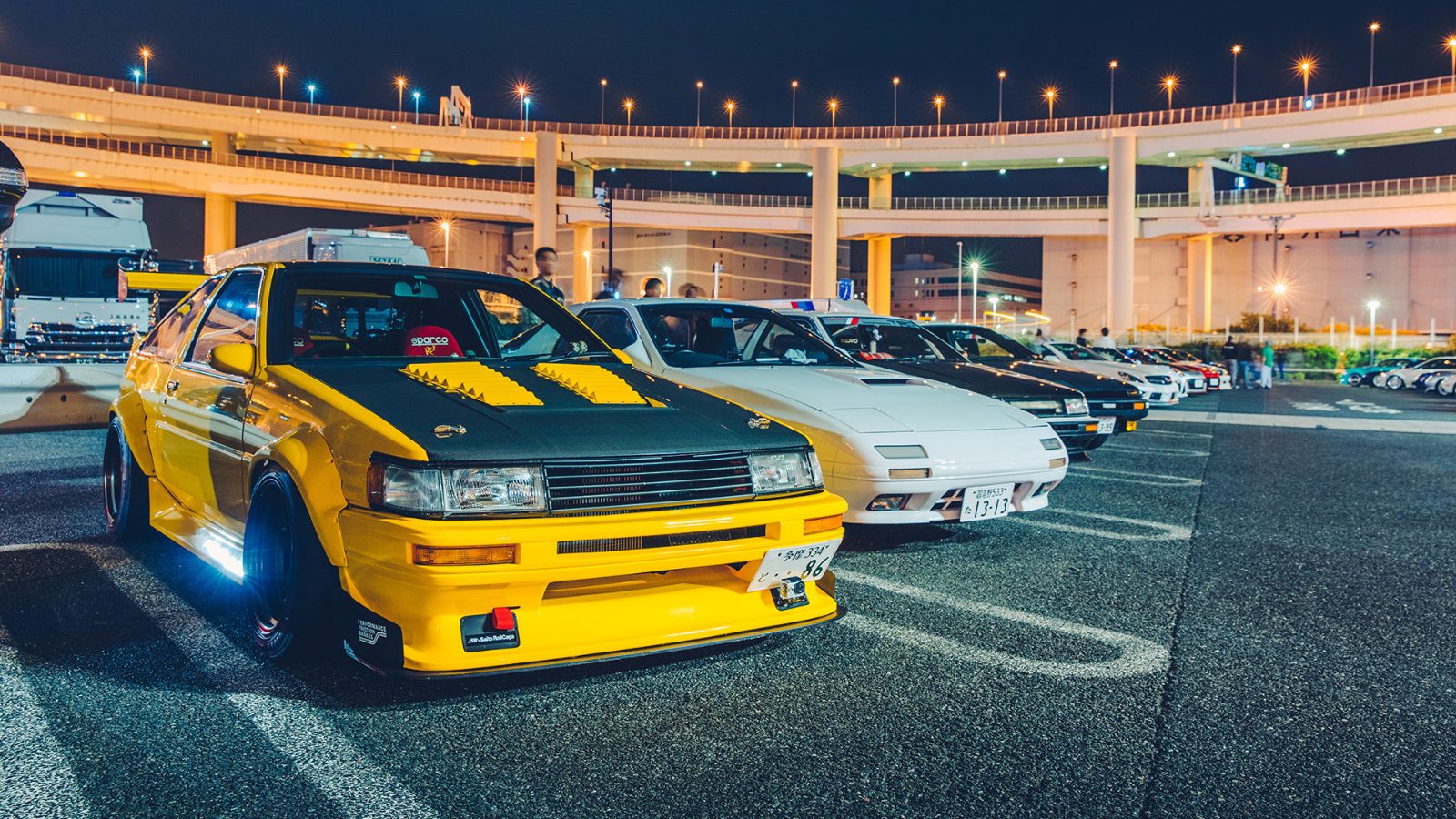
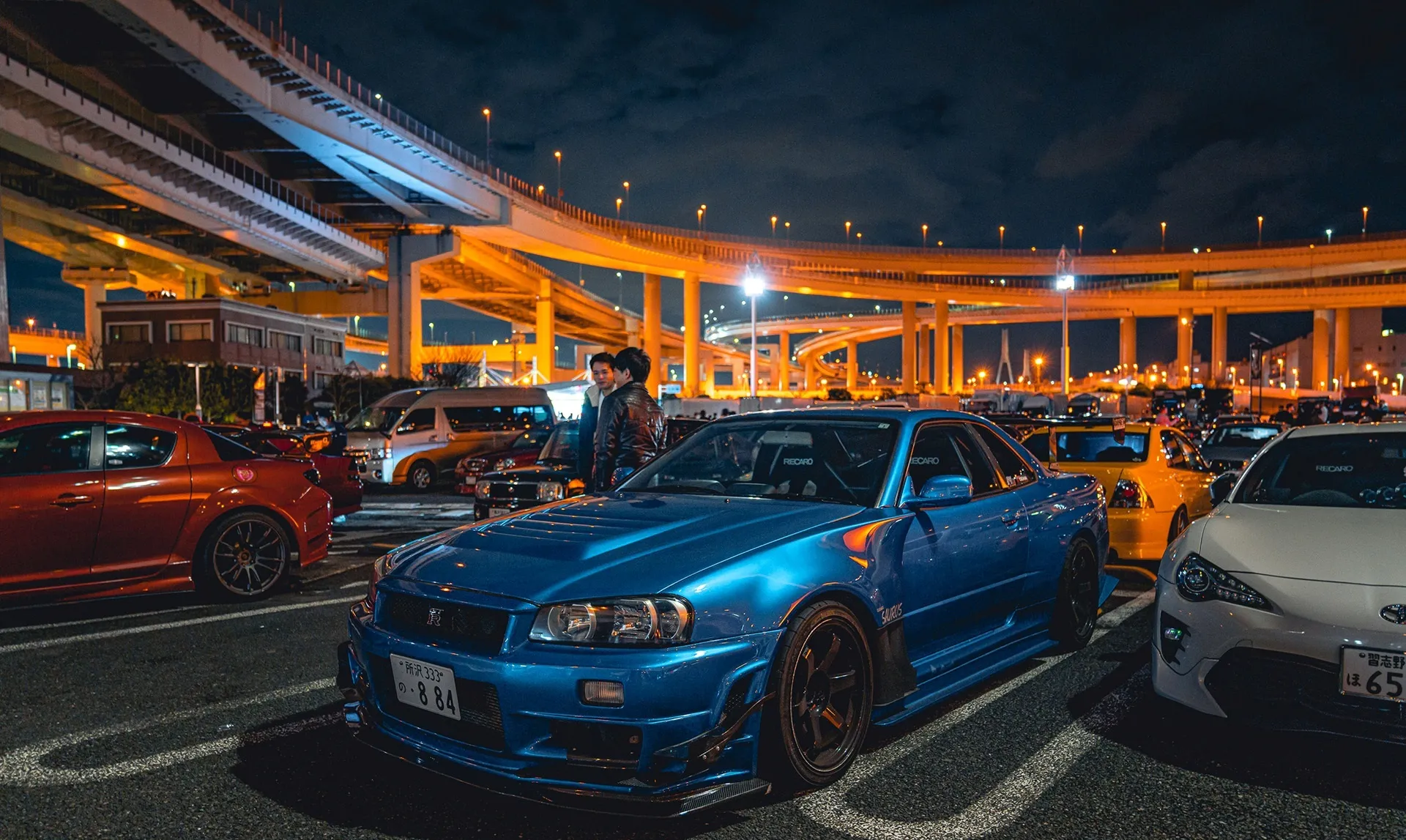
You merge onto the Bayshore Route from Shibaura Junction as Tokyo's skyline recedes in your rearview mirror, the expressway's elevated lanes carrying you above darkened warehouses and shipping facilities. Twelve kilometers westbound, you follow overhead signs marked with the distinctive Daikoku Futo symbol—a stylized P inside a blue square. The exit ramp curves downward, depositing you into a brightly lit parking grid where rows of modified vehicles already occupy the asphalt. You park near the southern edge and walk past a Nissan GT-R with exposed carbon fiber hood, its owner explaining forced induction setups to a small crowd. The bay breeze carries the scent of marine salt and cooling turbocharged engines. You climb the pedestrian overpass to the upper parking level, where the Yokohama Bay Bridge's illuminated cables stretch across the water, its 460-meter main span framing the industrial port beyond. Vending machines hum against the metal canopy—you select a hot Georgia coffee and lean against the concrete barrier, watching a photographer angle his tripod to capture a lowered Mazda RX-7 with the bridge's lights reflected in its polished paint. The gathering feels less like a car show and more like an impromptu technical symposium, conversations revolving around gear ratios and suspension geometry rather than spectacle.

Everything You Need to Know

Your complete experience guide

All the details about your upcoming adventure in one place

How to Get to Daikoku Parking Area from Tokyo

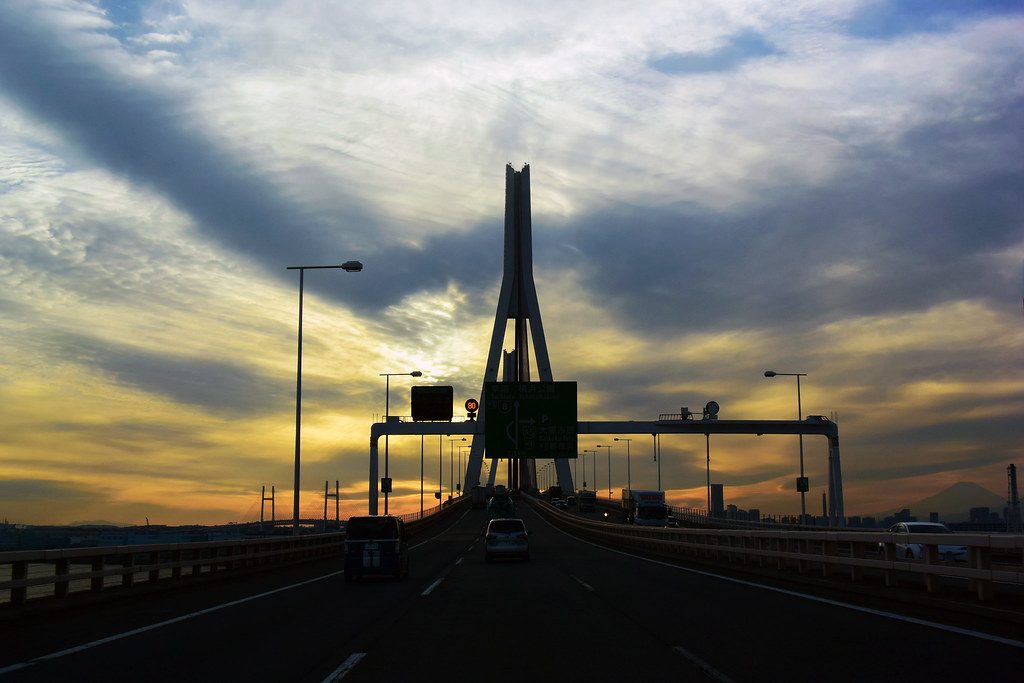
Understanding how to get to Daikoku Parking Area from Tokyo starts with the Bayshore Route (Wangan-sen) of the Shuto Expressway, which connects central Tokyo to this iconic JDM car meet location in Yokohama. The parking area sits directly beneath the distinctive Daikoku Junction loop, accessible via Exit 13-Daikoku on the expressway system. Many how to get to Daikoku Parking Area from Tokyo tours and automotive enthusiasts use navigation apps with the facility's exact coordinates, as the late-night car culture gatherings here have made it a landmark for tuner and sports car communities across the Kanto region.

Daikoku Parking Area opened in 1997 as a standard service plaza on the Bayshore Route, part of the Shutoko expressway network linking central Tokyo to Yokohama's industrial waterfront. What planners envisioned as a utilitarian rest stop transformed within five years into Japan's most famous nocturnal gathering point for automotive subculture. By the early 2000s, weekend nights at Daikoku Futo saw hundreds of modified vehicles—Nissan Skylines, Toyota Supras, Mazda RX-7s—parked under sodium vapor lights, their owners exchanging technical knowledge and admiring hand-built turbo kits and custom aero packages. The location's appeal was geometric: positioned at the intersection of two major expressway arteries, accessible from multiple prefectures, and offering unobstructed views of Yokohama Bay Bridge's suspension cables illuminated against the night sky. How to get to Daikoku Parking Area from Tokyo requires navigating the Metropolitan Expressway system, a network that carries 1.2 million vehicles daily through elevated concrete ribbons above Tokyo's dense urban fabric. The primary approach follows the Bayshore Route westbound from Shibaura or Ariake interchanges, a twelve-kilometer drive that hugs Tokyo Bay's reclaimed industrial zones. Drivers pass container terminals and thermal power stations before reaching the Daikoku exit ramp. An alternative route uses the Wangan Line, which merges with the Bayshore Route south of the parking area—this path serves travelers originating from Haneda Airport or southern Tokyo wards. Both routes require Electronic Toll Collection cards or cash payment at automated gates; tolls range from 930 to 1,320 yen depending on entry point and vehicle class. The parking area itself occupies a man-made peninsula extending into Tokyo Bay, its asphalt grid capable of holding 458 vehicles across two levels. Architecture here is purely functional—corrugated metal canopies shelter vending machines dispensing hot canned coffee, and concrete jersey barriers separate the parking grid from the expressway's traffic flow. Yet this utilitarian space has become a pilgrimage site for automotive photographers and videographers, its LED-lit backdrop appearing in countless YouTube documentaries and Instagram reels. The Friday and Saturday night gatherings between 22:00 and 02:00 now attract international visitors who time their Tokyo trips to witness the informal car show. Urban planners studying spontaneous public space activation cite Daikoku as a case where infrastructure designed for transit became a destination in its own right, demonstrating how communities redefine built environments through persistent collective use.

What planners envisioned as a utilitarian rest stop transformed within five years into Japan's most famous nocturnal gathering point for automotive subculture.

Dress code

No specific dress code is enforced at Daikoku Parking Area. Casual attire is standard, but check weather conditions as the location is an open-air area on the bay.

Bags & security

Security staff may monitor the area and close the lot if congestion becomes hazardous. Keep personal items secure as there are no lockers available.

Photography

Photography is permitted, but respect the privacy of vehicle owners. Do not obstruct traffic or block parking spaces to capture your images.

Families & strollers

Families may visit during daytime hours for easier navigation. Nighttime gatherings are best suited for adult car enthusiasts due to potential noise and crowds.

Accessibility

The facility is wheelchair accessible with dedicated parking spots. However, the site is designed for vehicles, so exercise caution when walking through the parking lot.

Food & drink

Convenience store and snack corner services are available on-site. Consumption of alcohol is strictly prohibited for drivers.

Not allowed

× Illegal vehicle modifications × Weapons × Drones × Loud music equipment × Alcohol × Flammable materials × Professional lighting rigs × Tripods (in crowded areas)

What to bring

✓ Valid ID ✓ Cash for tolls ✓ Camera ✓ Portable charger ✓ Water ✓ Weather-appropriate clothing

Opening hours

Mon 00:00–23:59
Tue 00:00–23:59
Wed 00:00–23:59
Thu 00:00–23:59
Fri 00:00–23:59
Sat 00:00–23:59
Sun 00:00–23:59

At a glance

Best arrival window

22:00–02:00

Address

15 Daikokufuto, Tsurumi Ward, Yokohama, Kanagawa 230-0054, Japan

Entry fee

0 JPY (Free entry; expressway tolls apply to reach the location.)

Peak activity

Friday and Saturday nights

Storage

Not available at this highway rest area

Navigation

Expressway access only via Daikoku Junction

Cancellation policy

There is no entrance fee of 0 JPY to access the facility. Tours booked through third-party operators follow individual cancellation policies.

Plan your time

How long do you need?

Recommended time

2-3 hours

Most enthusiasts find that a two to three-hour window allows sufficient time to observe the automotive culture and custom vehicle modifications. Learning how to get to daikoku parking area from tokyo requires navigating expressway routes, so plan for extra travel time if you are seeking a guided how to get to daikoku parking area from tokyo tour experience. Crowds fluctuate significantly based on the night, making it helpful to understand how to get to daikoku parking area from tokyo tours timing to avoid peak congestion. Travelers interested in how to get to daikoku parking area from tokyo tickets or transit logistics should note that vehicle access is the primary method of arrival for this Yokohama landmark.

Crowd levels through the day

08:00–12:00 Light
14:00–18:00 Moderate
20:00–22:00 High
22:00–02:00 Peak
03:00–06:00 Quiet
The story

The history behind the site

Daikoku Parking Area opened in March 1984 as part of the Bayshore Route expansion, designed by the Metropolitan Expressway Company to serve commercial traffic moving between Yokohama Port and central Tokyo. Engineers positioned the facility on reclaimed industrial land in Tsurumi Ward, constructing tiered parking decks to maximize capacity on the constrained waterfront site. The original mandate was purely logistical: provide rest facilities for long-haul truckers navigating the congested Shutoko network. Within two years, the location had attracted a different population entirely. By 1986, street racers discovered the parking area's strategic position along the Wangan-sen expressway, the high-speed coastal route immortalized in Michihiro Kusunoki's manga series. The wide entry ramps and unobstructed sight lines made Daikoku ideal for late-night gatherings, where enthusiasts compared modified Skylines, Supras, and RX-7s before dispersing onto the expressway. Metropolitan police crackdowns in 1988 forced organizers to adopt informal codes: no burnouts on-site, no racing until vehicles left the expressway system. These self-imposed rules preserved access even as authorities intensified patrols. For those planning how to get to Daikoku Parking Area from Tokyo tours, this tension between official infrastructure and subculture remains central to the site's identity. The 1990s economic bubble collapse paradoxically strengthened Daikoku's cultural role. As corporate entertainment districts contracted, the parking area became a free alternative venue where tuning shops showcased builds and international magazines photographed Japan's evolving car culture. By 2003, the location appeared in video games like Tokyo Xtreme Racer, cementing its global reputation. Management never formally endorsed these gatherings, but tacit acceptance prevailed. Today, the Metropolitan Expressway Company maintains the original 1984 structures with minimal alteration, preserving the utilitarian aesthetic that accidentally created one of the world's most photographed automotive meeting points. The route to reach it—threading through Kawasaki's industrial corridors via expressway tolls—remains unchanged, a pilgrimage path for enthusiasts seeking authenticity over sanitized car shows.

1984

Daikoku Parking Area opens in March as a rest facility on the Metropolitan Expressway Bayshore Route, built on reclaimed land in Tsurumi Ward.

1986

Street racing enthusiasts begin gathering at the location after discovering its position along the Wangan-sen coastal expressway.

1988

Metropolitan police increase patrols following illegal racing incidents, prompting informal community rules to preserve site access.

1990s

Economic downturn transforms Daikoku into a primary venue for tuning culture as commercial car events decline across Japan.

2003

The parking area appears in Tokyo Xtreme Racer video game, introducing the location to international audiences and solidifying its iconic status.

2010s

Social media amplifies global awareness, drawing automotive photographers and tourists seeking authentic JDM car culture experiences.

Photo spots

Best photo spots

The Peripheral Parking Bays

Best light · 22:00–02:00

Position your camera along the outer perimeter of the parking rows to capture the dense lineup of modified vehicles against the backdrop of the Yokohama Bay Bridge. Ensure you remain within the designated pedestrian walkways while focusing your lens on the unique automotive aesthetics that define how to get to daikoku parking area from tokyo.

The Elevated Highway Overpass

Best light · Nighttime

Stand near the edge of the pedestrian area to frame the complex curves and concrete pillars of the Wangan Route overhead. This angle emphasizes the industrial scale of the infrastructure, which is a common highlight for those seeking how to get to daikoku parking area from tokyo tours.

The Pedestrian Walkway Entrance

Best light · 22:00–02:00

Capture the perspective from the main walkway looking toward the central facility building, highlighting the contrast between the vibrant neon signage and the dark night sky. This spot offers a symmetrical composition ideal for visitors interested in a how to get to daikoku parking area from tokyo tour.

The Structural Pillar Junction

Best light · Late night

Focus on the massive concrete supports at the facility's edge to provide depth and context to the car culture gathering. This vantage point is popular for photographers booking how to get to daikoku parking area from tokyo tickets or planning an independent visit.

Gallery

Moments from the experience

Food & drink

Where to eat nearby

Visitors planning how to get to daikoku parking area from tokyo will find that on-site dining is limited to a standard Japanese highway snack corner. Those participating in how to get to daikoku parking area from tokyo tours often prefer to grab provisions before entering the Shuto Expressway as local options are scarce.

Daikoku PA Snack Corner

¥

Café inside

This facility serves standard hot meals like ramen, curry, and udon suitable for a late-night break. It provides a functional environment for enthusiasts during the peak 22:00–02:00 arrival window when other nearby services are unavailable. Convenience items are also accessible here for those seeking how to get to daikoku parking area from tokyo tickets or quick refreshments. While limited in variety, it remains the primary sustenance hub for the automotive community gathered at this location. As of August 2026, visitors should expect simple, rapid service designed for high-turnover traffic. This venue remains open daily, mirroring the 00:00–23:59 operating schedule of the parking area itself.

Customer Reviews

What travelers say

Real experiences from real travelers

4.6
Based on undefined reviews
1 ★ 183
2 ★ 284
3 ★ 623
4 ★ 1890
5 ★ 8420
K
Kenji M.
Japan · 2026-07-14

Late night car culture

Arrived around 11 PM on a Saturday and the atmosphere was electric. Daikoku Futo serves as the unofficial headquarters for Tokyo's modified car scene, with everything from classic Hakosuka Skylines to modern GT-Rs. The Wangan expressway access makes it convenient for a quick stop during night drives. Vending machines stay stocked and the lighting is adequate for photos.

M
Marcus T.
United States · 2026-06-22

Essential JDM pilgrimage

Understanding how to get to daikoku parking area from tokyo via the Bayshore Route was straightforward with GPS. Took the Daikoku exit heading toward Yokohama and followed signs for the rest area. Weekend nights draw serious crowds of car enthusiasts. The industrial port backdrop creates a unique setting you won't find at typical rest stops.

S
Sophie L.
France · 2026-05-18

Authentic automotive culture

Visited on a Thursday evening around 9 PM and still found a decent gathering of modified vehicles. The parking area layout allows you to walk between different car clusters easily. Bay Bridge views add to the urban atmosphere. Cash is useful for the extensive vending machine selection.

H
Hiroshi K.
Japan · 2026-04-30

Weekday vs weekend difference

Stopped by on both a Tuesday afternoon and Saturday night to compare. Weekdays are quiet with mostly truckers and regular travelers using the facilities. Weekend nights transform the place into an automotive exhibition. Navigation from central Tokyo takes roughly 30 minutes depending on traffic through the Wangan corridor.

D
Daniel R.
Australia · 2026-08-10

More than a rest stop

The route from Tokyo involves taking the Shuto Expressway system toward Yokohama, then exiting at Daikoku. Signage is clear even for foreign drivers. What makes this parking area special is how it evolved into a spontaneous car meet venue rather than remaining just highway infrastructure. Saw rare models I'd only seen in magazines.

E
Emma W.
United Kingdom · 2026-03-25

Night photography spot

Arrived after midnight and the lighting conditions were ideal for automotive photography. The circular parking layout creates natural gathering zones where different car communities cluster. Industrial port cranes in the background provide a distinctly Tokyo Bay aesthetic. Figuring out how to get to daikoku parking area from tokyo using the Metropolitan Expressway was easier than expected.

T
Takeshi Y.
Japan · 2026-02-28

Local insider perspective

As someone who has been visiting Daikoku PA for over a decade, the parking area remains the heart of Wangan racing culture. Access from Shibuya or Shinjuku typically takes 25-35 minutes late at night when traffic thins. The evolution from truckers' rest area to automotive landmark happened organically through word of mouth among enthusiasts.

C
Carlos M.
Spain · 2026-07-02

Highway infrastructure done right

The Japanese rest area concept is executed perfectly here with clean facilities and 24-hour access. Navigation apps accurately show the Daikoku exit from Route 357. What surprised me was how the parking area naturally accommodates both regular travelers and the car meet scene without conflict. Bay views are an unexpected bonus.

J
Jennifer K.
Canada · 2026-06-08

Essential for car enthusiasts

Planned my Tokyo trip specifically to experience Daikoku Futo on a Saturday night. The gathering peaks between 10 PM and 2 AM with hundreds of modified vehicles. Understanding how to get to daikoku parking area from tokyo through the Bayshore Route expressway network was crucial for timing arrival during peak hours. The sense of community among enthusiasts is genuine.

R
Robert S.
Germany · 2026-05-12

Industrial atmosphere

The location next to Yokohama port facilities creates an unusual aesthetic for a parking area. Concrete, cranes, and expressway infrastructure form the backdrop for nightly car gatherings. Route planning from Tokyo Station involved taking the Wangan line expressway eastbound toward the bay. Facilities are basic but functional for a rest stop.

FAQ

Frequently asked questions

Everything you need to know for your journey

Ready for Adventure?

Join thousands of happy travelers who have discovered this incredible experience

Book Your Experience Now