4 hr
Tokyo JDM Night Tour: Daikoku Car Meet & Iconic City Roads
- Entry ticket
- Mobile voucher
- Valid same day
- Free cancellation
Daikoku Night Meet Tour — Japan's Legendary Street Racing Scene
Where tuner culture meets the Bayshore Route, under neon and exhaust smoke
Compare fares, pick the fit — all bookings are mobile-voucher and eligible for free cancellation where shown.
4 hr
4 hr
3 hr 30 min
Daikoku serves as the epicenter for raw car culture, while Umihotaru offers a polished, scenic experience; serious enthusiasts prefer the former for its street-level energy, whereas those seeking a casual Yokohama landmarks tour often choose the latter.
|
Top pick Daikoku PA |
Umihotaru PA | |
|---|---|---|
| Primary Atmosphere | High-energy enthusiast gathering | Relaxed maritime architectural site |
| Crowd Composition | Automotive hobbyists and tuners | General public and tourists |
| Predictability of Meets | Spontaneous and irregular | Minimal car meet activity |
| Accessibility | Highway-only transit access | Highway tunnel link to bridge |
| Architecture and Views | Industrial highway junction | Sea-based island deck views |
| Entry Fees | 0 JPY (expressway tolls apply) | 0 JPY (expressway tolls apply) |
| See tickets & prices |
Verdict: Choose the daikoku night meet tour tours if you want to observe Japan's modified car scene, or select Umihotaru if you prioritize maritime vistas over daikoku night meet tour tour opportunities and daikoku night meet tour tickets are not the focus of your itinerary.
Hand-picked experiences loved by thousands of travelers
3–4 hours
Free Cancellation
Ride in a tuned JDM machine through Tokyo's neon streets, stopping at the legendary Daikoku PA car meet.
3 hours
Free Cancellation
Cruise Tokyo after dark in a real JDM legend — R34, Supra, Silvia & more await.
5 hours
Free Cancellation
Immerse yourself in Tokyo's legendary underground car culture on a 5-hour nighttime adventure.
Enter via Shuto Expressway
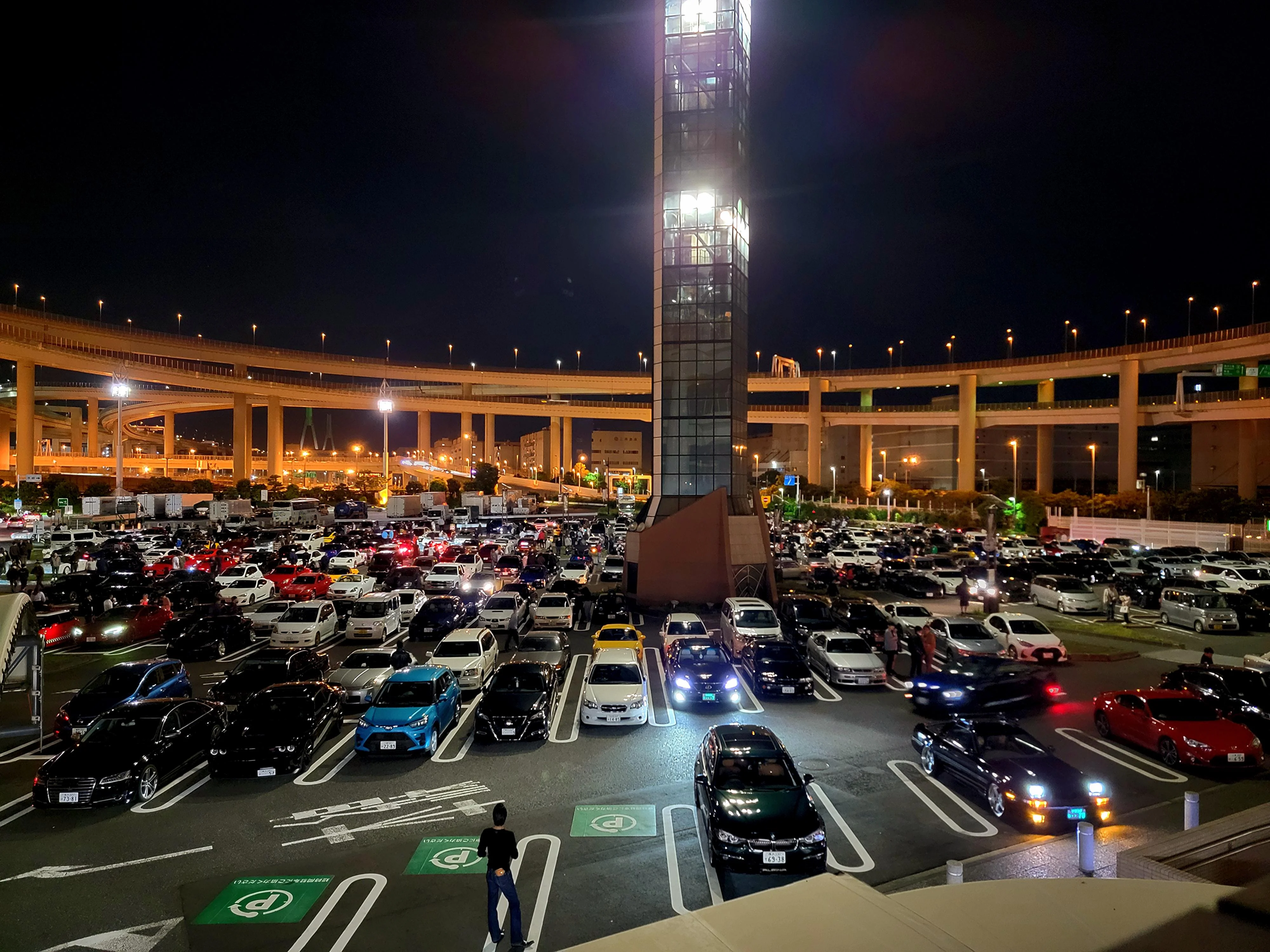
The primary gathering area where the majority of modified cars assemble throughout the night.
A designated viewing area providing elevated views of the Tokyo Bay skyline and expressway.
A standard 24-hour convenience store providing snacks and drinks for visitors.
The iconic concrete infrastructure encircling the parking area, defining its visual identity.
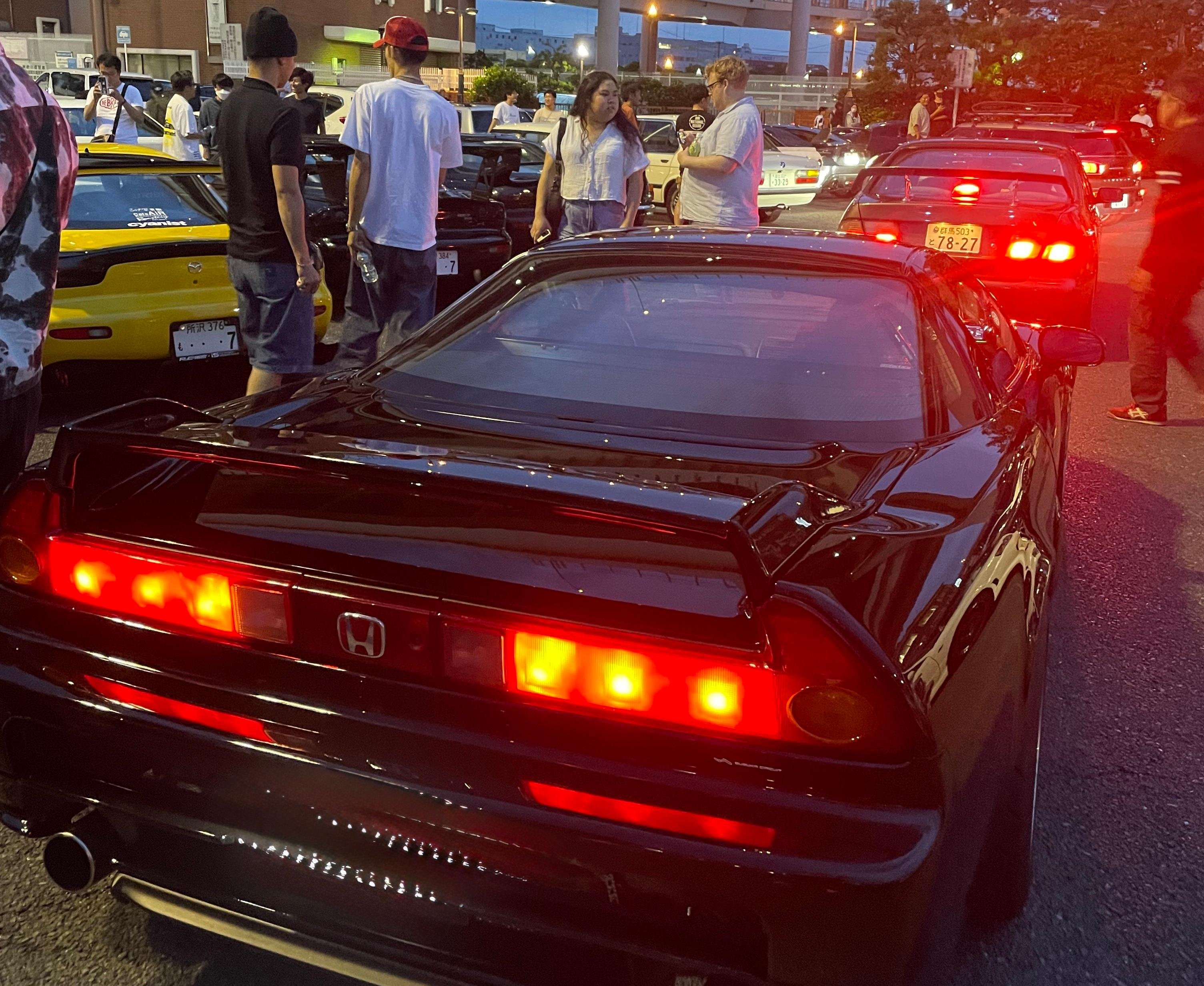
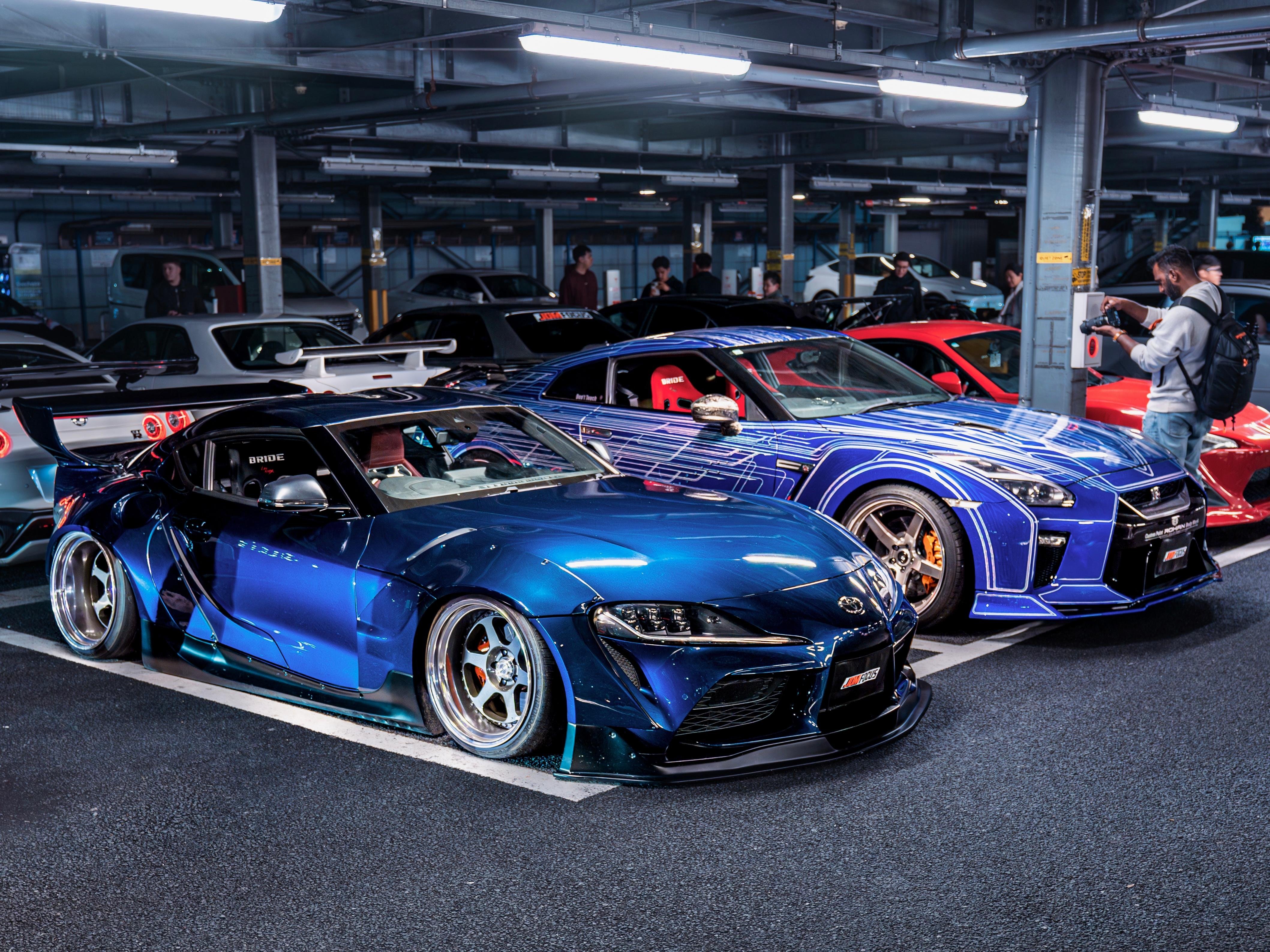
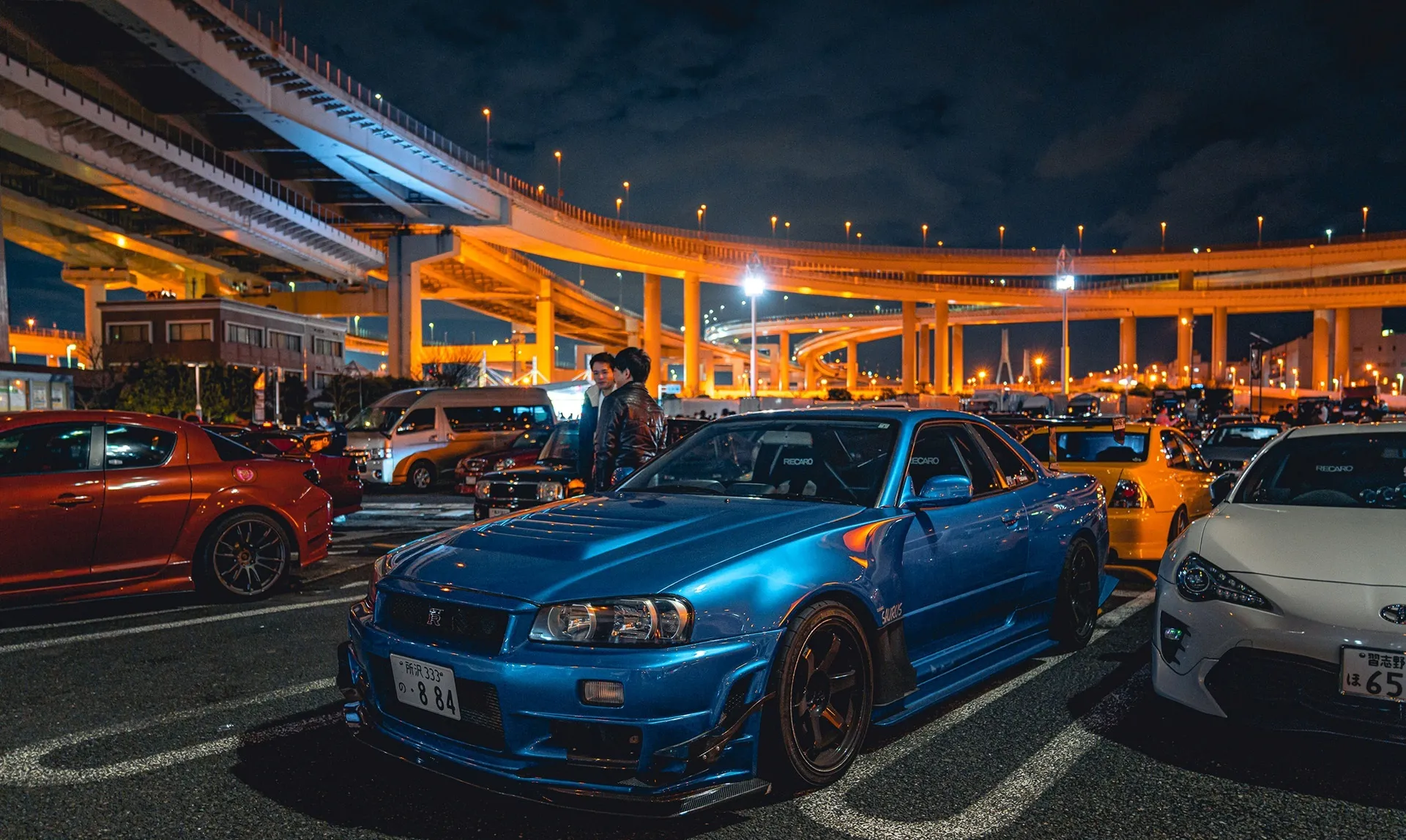
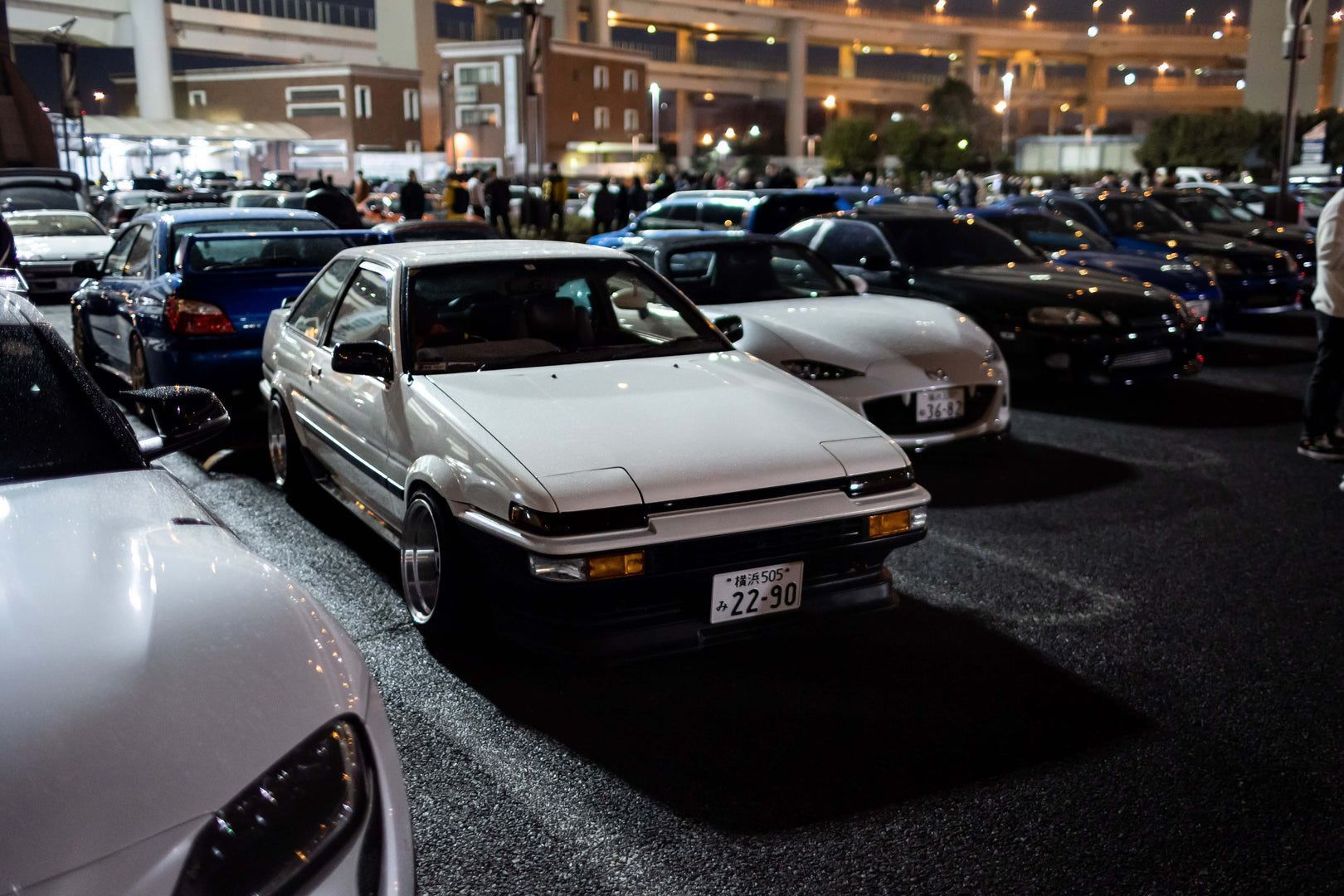
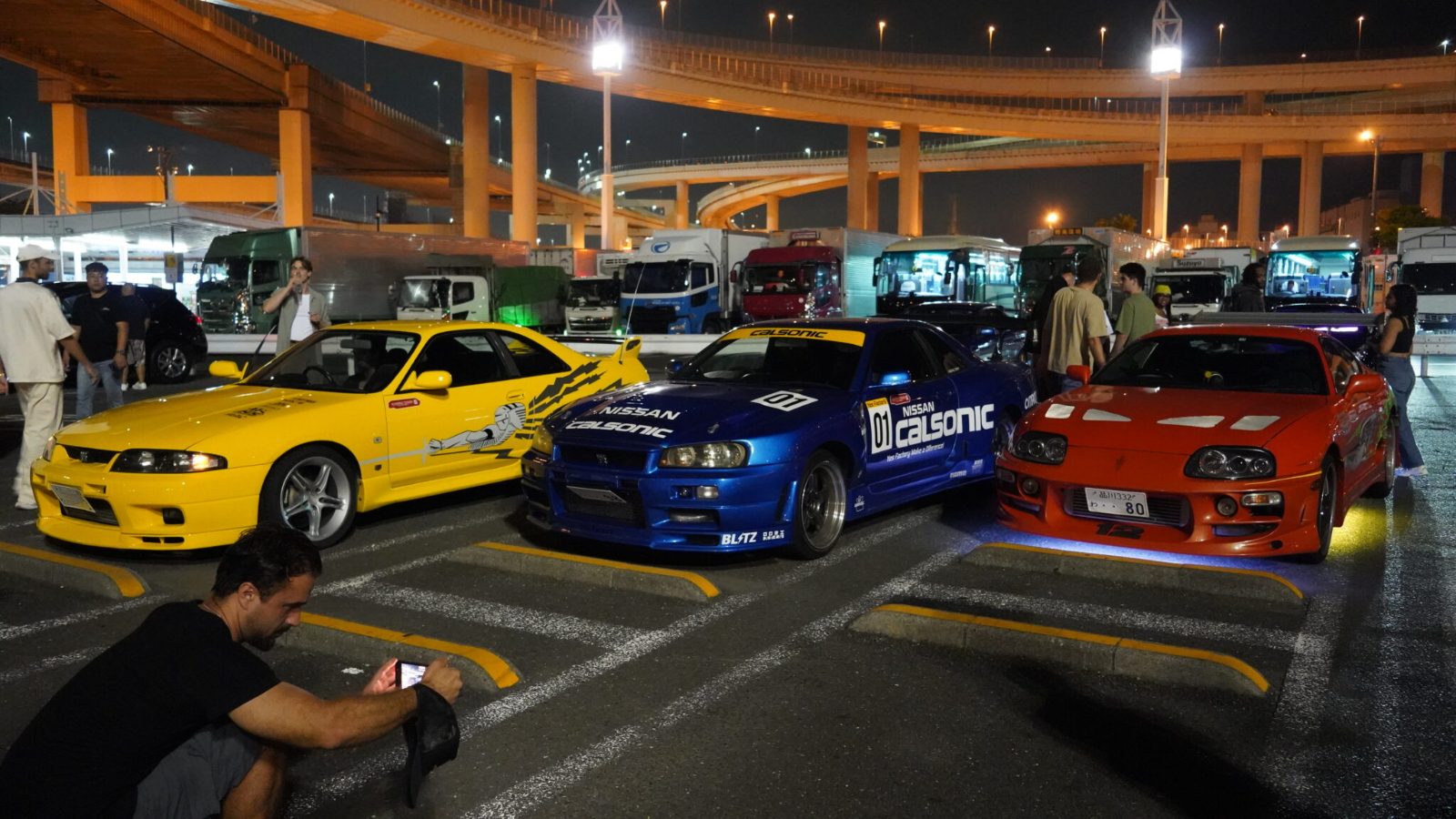
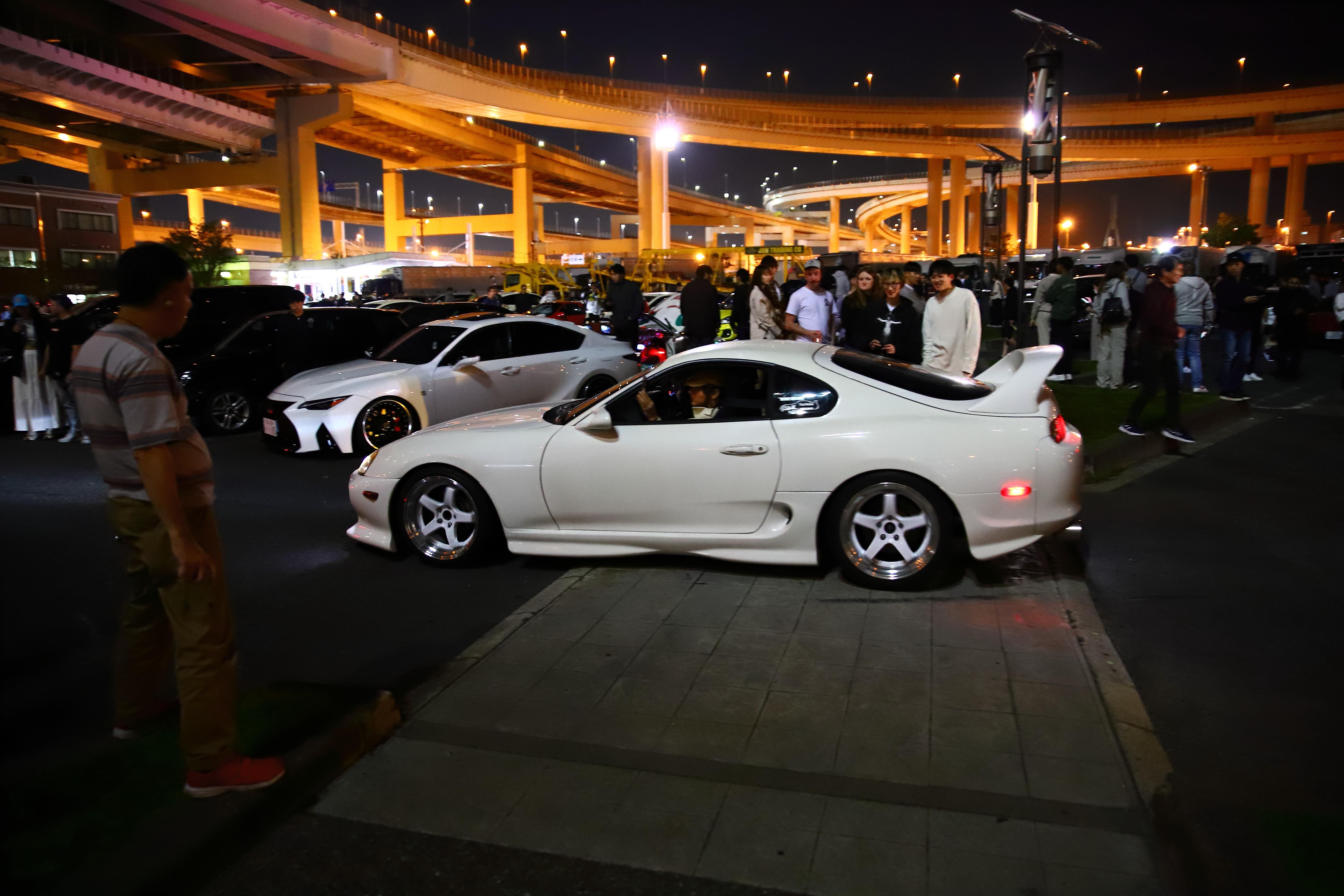
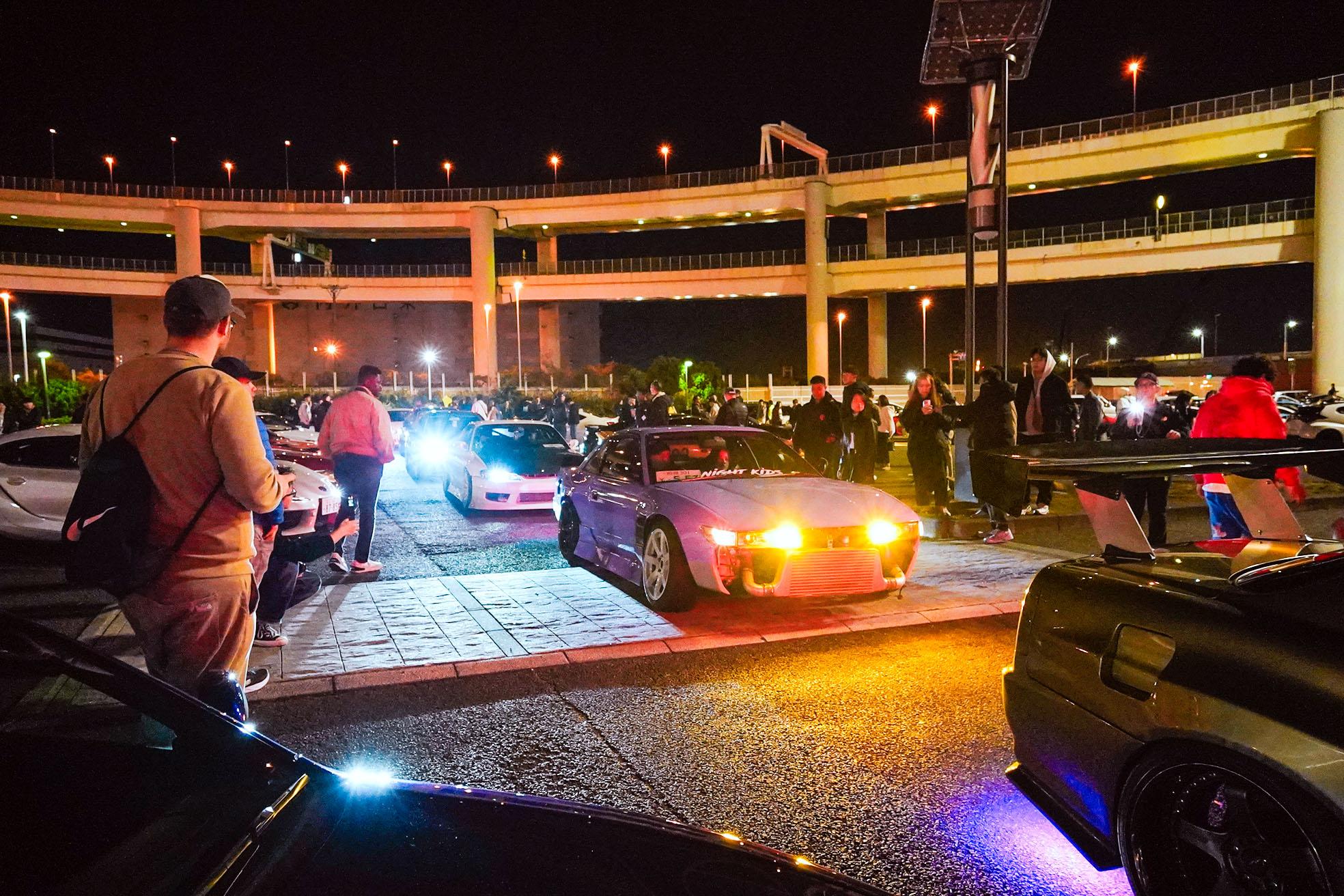
You exit the Bayshore Route at the Daikoku interchange and follow the narrow ramp up to the parking area's second level. It is 10:45 PM on a Saturday in August 2026, and the lot is already half-full. You find a space near the perimeter fence and walk toward the clusters of cars. The first group you encounter is a row of seven R34 Skylines, each one lowered on coilovers, each front bumper removed to expose intercoolers the size of radiators. Owners stand beside their machines with arms crossed, answering questions from a pair of German tourists. You move clockwise around the lot. A midnight-blue Supra idles briefly—the wastegate chatter echoes off the concrete—then cuts its engine. You pass a trio of Honda Civics with time-attack aero, then a static display of 1980s Cedrics on deep-dish wheels, their owners seated in folding chairs. Near the northeast stairwell, a photographer sets up a tripod to capture a Hakosuka Skyline framed against the expressway's elevated curve. By 11:30 PM, the upper deck is at capacity. You descend to the lower level, where the kei car contingent has parked: Cappuccinos, Beats, an Alto Works with a full roll cage visible through the rear hatch. You buy a can of cold coffee from a vending machine and return upstairs. The crowd will stay until 1:00 AM, then disperse in waves, engines firing in sequence, red taillights streaming back onto the expressway.
All the details about your upcoming adventure in one place
Join a daikoku night meet tour to witness Japan's legendary car culture at one of Tokyo's most iconic automotive gathering spots. This guided experience brings you to the weekly car meets at Daikoku Parking Area, where enthusiasts showcase modified supercars, classic JDM vehicles, and custom builds under the Yokohama Bay Bridge lights. Daikoku night meet tour tickets include transportation, expert commentary on automotive culture, and access to the best viewing areas during peak evening hours.
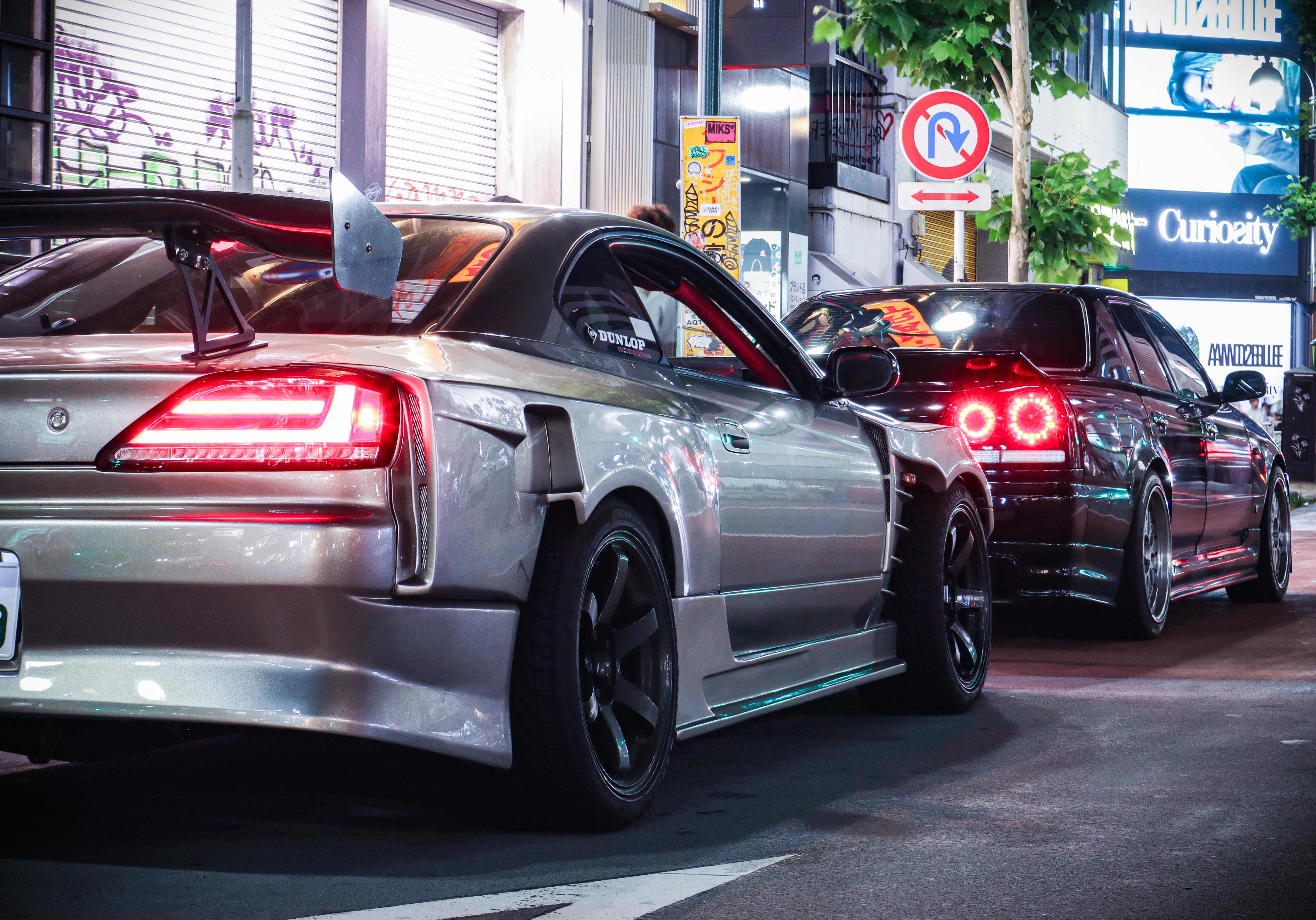
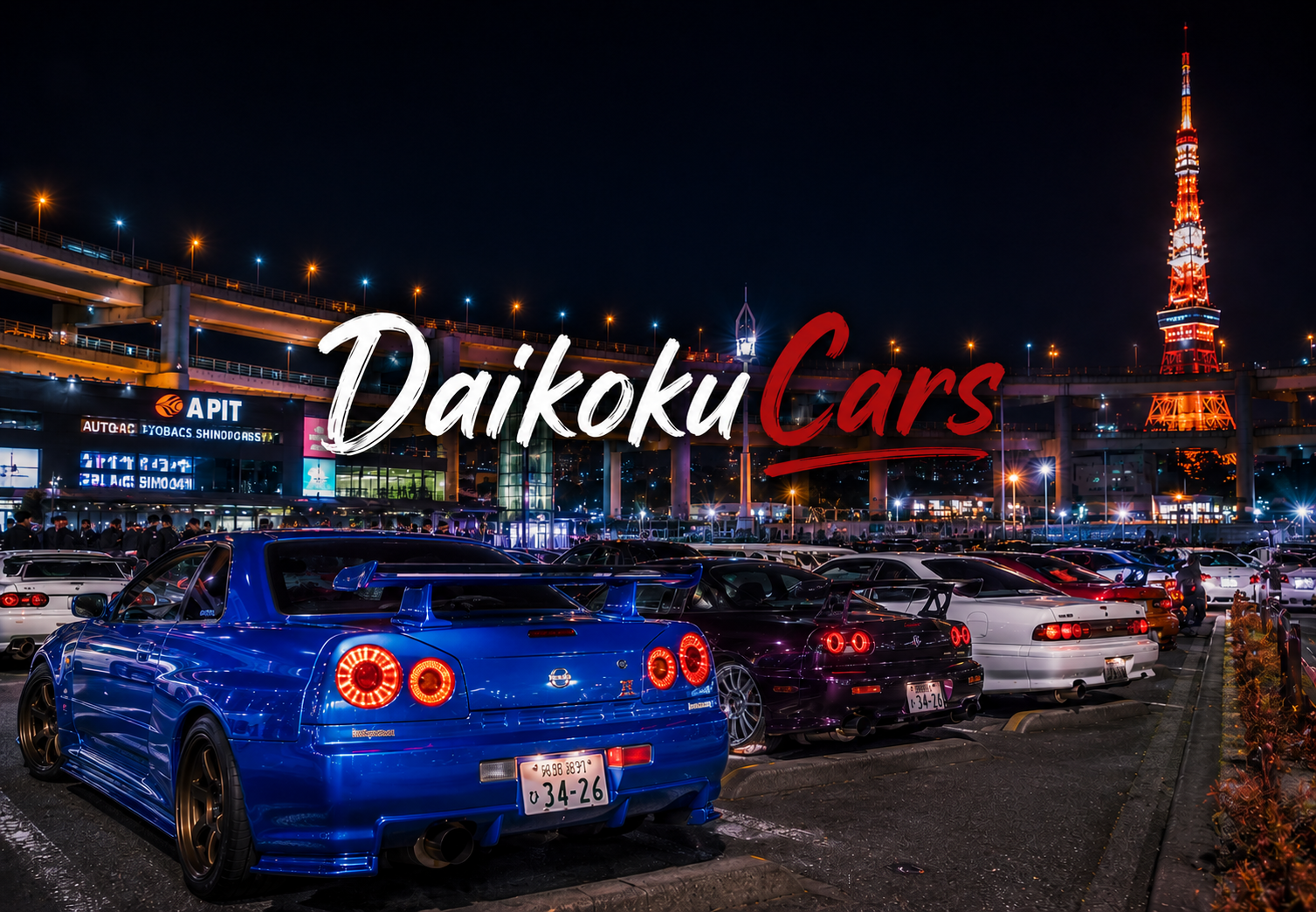
Daikoku Parking Area opened in 1987 as a prosaic highway rest stop on the Bayshore Route, but by the mid-1990s it had become the epicenter of Japan's street-racing subculture. Every Friday and Saturday night, hundreds of modified cars—Skylines, Supras, RX-7s, and their modern descendants—converge on the upper deck, transforming a government-owned facility into an unsanctioned automotive theatre. The phenomenon grew from the illegal Wangan Midnight highway runs that defined Tokyo's bubble economy, and Daikoku became the neutral ground where rival crews could display their machines without the threat of police crackdowns that plagued surface streets. Today, the daikoku night meet tour represents one of the few places where Japan's tuner culture operates in semi-official tolerance. Metropolitan Expressway Company, the facility's operator, does not endorse the gatherings, yet it has never moved to ban them—a tacit acknowledgment that Daikoku has become a cultural landmark. The meets follow an unwritten code: engines off after arrival, no burnouts, no racing within the lot. Participants arrange themselves in loose clusters by marque or modification style—time-attack builds near the northwest corner, VIP sedans along the southern fence, classic kei cars and bosozoku motorcycles claiming the lower deck. Architecturally, the site is unremarkable: a two-level concrete structure with capacity for roughly four hundred vehicles, fluorescent lighting, and vending machines. Its significance lies entirely in what visitors bring to it. On peak nights, the air thickens with the smell of racing fuel and tire compound. Carbon-fiber hoods prop open to reveal fully built engines—RB26 inline-sixes, 2JZ turbos, rotary 13Bs with bridge ports. Photographers crouch between fenders. Enthusiasts trade technical advice in rapid Japanese and broken English. The skyline of Yokohama's industrial waterfront provides the backdrop, and the expressway above hums with through traffic oblivious to the gathering below. By 2:00 AM, the crowd thins, and by dawn the lot returns to its daytime function, hosting long-haul truckers and drowsy commuters with no trace of the night's congregation.
Daikoku became the neutral ground where rival crews could display their machines without the threat of police crackdowns that plagued surface streets.
Casual attire is appropriate for a daikoku night meet tour, but wear comfortable footwear as you will be walking on pavement.
Security personnel are present; keep bags compact. Avoid bringing large luggage to a daikoku night meet tour to ensure easy movement.
Photography is permitted, but prioritize safety. Do not block vehicle lanes or transit routes during your daikoku night meet tour.
Families are welcome, but be aware that Daikoku Parking Area is a working automotive facility. Supervise children at all times during your daikoku night meet tour.
The area is flat, but it is an active expressway rest stop with heavy vehicle traffic. Visitors must remain alert during a daikoku night meet tour.
On-site snack corners and convenience stores provide refreshments. Consuming food inside your vehicle or at designated tables is standard for a daikoku night meet tour.
Operating Hours
00:00–23:59
Address
15-157 Daikoku Pier, Tsurumi-ku, Yokohama, Kanagawa, Japan
Arrival
Expressway access only
Peak Window
22:00–23:59
Storage
Not available
Navigation
Shuto Expressway Bayshore Route
Car · Varies · Tolls apply
Access exclusively via Shuto Expressway Bayshore Route
As there is no official entry fee of 0 JPY to access the facility, there are no booking cancellations.
Recommended time
2-3 hours
A standard daikoku night meet tour allows sufficient time to observe the rotating display of modified vehicles and JDM culture in this unique expressway rest stop. Visitors typically spend two hours observing the asphalt landscape, though you may require additional time if navigating heavy traffic congestion near the entrance. Please note that while daikoku night meet tour tours generally do not require daikoku night meet tour tickets, local access remains dependent on vehicle flow and parking availability.
Crowd levels through the day
Weather · crowds · average price — dots go green to amber to red as each metric rises.
Warmer nights lead to high activity for a daikoku night meet tour, though humidity can be significant.
Clearer weather provides stable conditions for a daikoku night meet tour and evening automotive sightings.
Cooler air often features earlier gatherings; check wind conditions before your daikoku night meet tour.
Mild temperatures make this a frequent choice for those planning a daikoku night meet tour.
Plan your daikoku night meet tour arrival for 22:00–23:59 on Friday or Saturday for peak visibility of custom vehicles.
Never enter traffic lanes for photos during your daikoku night meet tour.
This is an active rest area; maintain quiet and cleanliness to support the community.
Unexpected closures can happen; monitor local expressway reports before starting your daikoku night meet tour.
Ensure your transport has an ETC card for toll payments to reach the facility.
Daikoku Parking Area opened in 1987 as a standard service facility on the Bayshore Route of the Shuto Expressway, intended to serve commuters traveling between Yokohama and Tokyo. Its strategic location near the industrial port district and sweeping views of the Yokohama Bay Bridge made it architecturally notable, but for its first decade it functioned as an unremarkable rest stop. The transformation began in the mid-1990s when modified sports cars—particularly turbocharged models from the bubble economy era—began gathering informally on weekend nights. By 1998, the parking area had become a recognized meeting point for street racing crews and automotive photographers, drawn by the open layout, 24-hour access, and proximity to the Wangan expressway network featured in manga and video games. The daikoku night meet tour phenomenon solidified in the early 2000s as internet forums and early social media allowed enthusiasts to coordinate gatherings without formal organization. Friday and Saturday nights saw spontaneous displays of rare JDM vehicles, from Nissan Skylines to Toyota Supras, attracting international visitors who documented the scene through photography and video. Police presence increased after a 2008 incident involving reckless driving on adjacent expressway sections, leading to periodic patrols and stricter enforcement of idling regulations. Despite these interventions, the meets persisted, evolving into a more curated spectacle by 2012, with participants emphasizing static displays over aggressive driving. By 2015, Daikoku had gained global recognition through YouTube channels and automotive tourism, cementing its reputation as a pilgrimage site for car culture. The daikoku night meet tour tickets concept emerged informally as tour operators began offering guided visits for international enthusiasts unfamiliar with expressway navigation or Japanese driving etiquette. Today, the parking area remains a public facility with no admission fee, yet its cultural significance far exceeds its original infrastructure role, hosting gatherings that blend grassroots automotive passion with organized tourism.
Daikoku Parking Area opens on the Shuto Expressway Bayshore Route as a standard rest facility.
Modified sports cars begin gathering informally on weekend nights, attracting street racing crews.
The site becomes a recognized meeting point for automotive photographers and JDM enthusiasts.
Internet forums enable coordinated gatherings, solidifying the weekend night meet tradition.
Police increase patrols after reckless driving incidents on adjacent expressway sections.
Meets evolve toward static displays and curated showcases, reducing aggressive driving behavior.
Global recognition through social media establishes Daikoku as a car culture pilgrimage destination.
The parking area balances its original service role with status as an international automotive tourism landmark.
Stand near the center rows where modified vehicles gather under the overhead lights to capture reflections on polished bodywork. This central vantage point provides the most authentic framing for any daikoku night meet tour.
Visitors participating in a daikoku night meet tour will find limited but convenient dining options located directly on-site within the service area building. Because these Daikoku night meet tour tours rely on local cafeteria-style service, many enthusiasts planning their Daikoku night meet tour tour often grab quick refreshments here between admiring modified vehicles.
The on-site snack bar offers classic Japanese expressway fare such as curry rice, ramen, and beef bowls. It serves as the primary hub for a quick meal, remaining accessible around the clock for those checking their daikoku night meet tour tickets and refueling during the night.
Real experiences from real travelers
The daikoku night meet tour connected us with genuine automotive enthusiasts rather than a scripted tourist activity. Our guide knew which sections hosted different car communities and introduced us to owners who explained their build philosophies. Arrived around 10 PM when the parking area was most active with vehicles rotating through different zones.
Joined the Daikoku evening gathering tour after reading about Japanese car culture for years. Seeing legendary chassis modifications in person—from mild street builds to full track-spec setups—provided context no video could match. The guide translated technical conversations with owners and explained the unwritten etiquette of photographing vehicles.
This Daikoku Futo car gathering experience felt more like being welcomed into a community than observing from outside. We spent three hours walking between different parking sections, each attracting specific marques. The guide's connections meant we could ask detailed questions about suspension geometry and turbo configurations.
The night meet tour at Daikoku provided exactly what we hoped for—close access to modified Japanese sports cars and conversations with their builders. Weather was cool and clear, making the several hours of outdoor walking comfortable. Would have appreciated more structured time at each vehicle cluster.
Attending the daikoku night meet tour tours gave me appreciation for the craftsmanship involved in Japanese tuning culture. Every vehicle had a purpose behind its modifications rather than random parts. Our guide explained the history of different chassis generations and why certain engine swaps remain popular.
The Daikoku automotive gathering tour delivered practical observations about how Japanese car culture operates. Noticed the respectful distance people maintained around vehicles and the organized way different groups claimed sections of the parking area. Guide answered questions about parts sourcing and local workshop recommendations.
Brought international friends on this Daikoku tour and the guide provided context I couldn't have explained myself. He discussed the economic factors that made certain modifications popular in different eras and how younger enthusiasts approach builds differently now. The parking area layout under the Bayshore Route creates natural gathering zones.
The daikoku night meet tour tickets included more than parking area access—our guide coordinated timing to catch both early evening arrivals and the later crowd that shows up after midnight. Witnessed a respectful exchange where owners compared notes on brake cooling solutions for circuit use.
This Daikoku automotive experience worked well as an introduction to Japanese car meet culture. Spent most time in the sections hosting 1990s chassis since that's what interested our group. Guide was flexible about pacing and didn't rush us between areas.
Joining the daikoku night meet tour tours showed me the engineering problem-solving that defines Japanese tuning. Owners discussed reliability testing and data logging with the same rigor I'd expect from motorsport teams. The guide translated technical terminology accurately and knew which builds represented significant achievements in their categories.
Everything you need to know for your journey
Entry to the facility is 0 JPY, though you must pay expressway tolls to reach the Daikoku Parking Area.
The best arrival window for a daikoku night meet tour is 22:00–23:59 when gatherings are most active.
No, the Daikoku Parking Area is accessible by car only. Walking, cycling, or using public transport to reach the site is not possible.
Yes, Daikoku Parking Area features convenience stores and snack facilities.
No, there are no tickets required for a daikoku night meet tour as it is an informal gathering.
Police may close the Daikoku Parking Area if it becomes overcrowded; plan your daikoku night meet tour accordingly.
Yes, you can take photos, but avoid blocking traffic lanes or standing in unsafe areas during your daikoku night meet tour.
Follow all parking and traffic rules while at the Daikoku Parking Area to ensure your daikoku night meet tour is respectful.
You can visit during the day, but the peak car gatherings for a daikoku night meet tour occur late at night.
An iconic suspension bridge providing scenic views of the bay area.
Modern urban district featuring luxury hotels and high-end dining.
Join thousands of happy travelers who have discovered this incredible experience
Book Your Experience Now