3 hr 30 min
Tokyo JDM Car Club Experience at Daikoku with Project Wangan
- Entry ticket
- Mobile voucher
- Valid same day
- Free cancellation
Private Daikoku Tour — Exclusive Access to Japan's JDM Car Culture
Where midnight meets metal, legends gather under neon.
Compare fares, pick the fit — all bookings are mobile-voucher and eligible for free cancellation where shown.
3 hr 30 min
4 hr
6 hr
Booking a private daikoku tour offers seamless navigation for enthusiasts, while independent travel provides more freedom at the cost of complex logistics; most visitors find the guided experience far more efficient for engaging with car culture.
|
Top pick Private Daikoku Tour |
Independent Visit | |
|---|---|---|
| Transport Ease | Professional driver provided | |
| Public transit/taxi navigation required;Access to Car Owners | Direct interaction via guide | |
| Limited without local connections;Flexibility | Fixed itinerary | |
| Full personal control;Cost Efficiency | Higher price point | |
| Lower (transit fare based);Language Barrier | Guide facilitates communication | |
| Requires Japanese language skills;Logistics | All planning managed by tour | |
| See tickets & prices |
Verdict: Securing private daikoku tour tickets ensures a focused automotive experience, whereas independent exploration remains the choice for those prioritizing autonomy despite the inherent transit challenges of visiting Yokohama landmarks.
Hand-picked experiences loved by thousands of travelers
4 hours
Free Cancellation
Ride in an iconic Nissan R34 Skyline and explore Tokyo's legendary underground car meet scene at night.
3–4 hours
Free Cancellation
Tear through Tokyo's iconic streets in legendary JDM sports cars on an unforgettable night run.
3 hours
Free Cancellation
Cruise Tokyo's neon-lit streets in iconic JDM machines and join a real modified car meet.
Enter via Shuto Expressway and find parking space.
Explore various JDM builds and interact with owners.
Visit the convenience store or take photos of the skyline.
Exit through the dedicated expressway ramps.
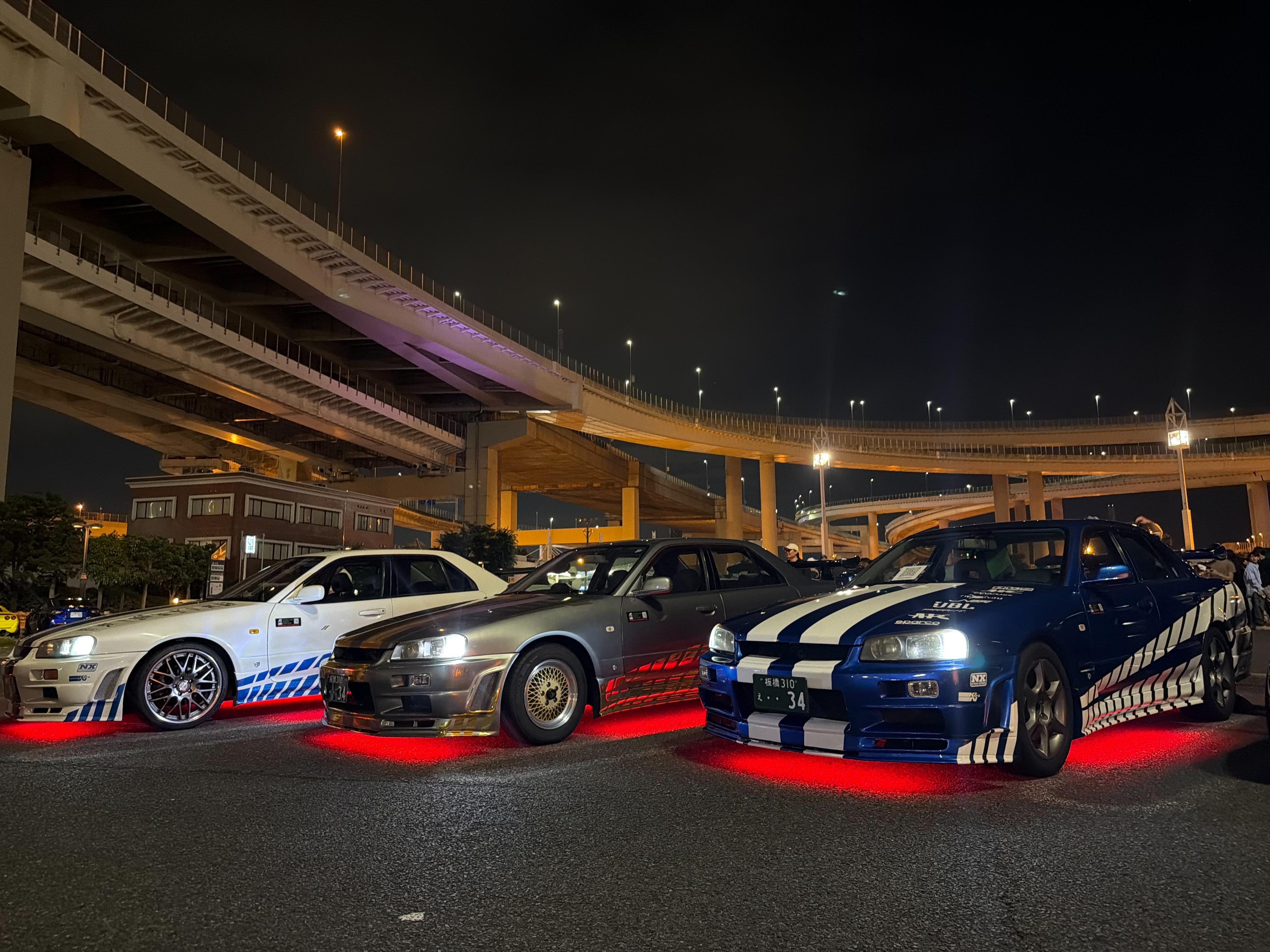
View the iconic overhead expressway loops that frame the parking area scenery.
Look over the lower levels of the Daikoku Parking Area for unique perspectives.
Find limited edition JDM merchandise and snacks inside this famous spot.
View the historic charging station first installed in 2008 at the Daikoku Parking Area.
Take photos of the Yokohama Bay shipping containers and harbor lights.
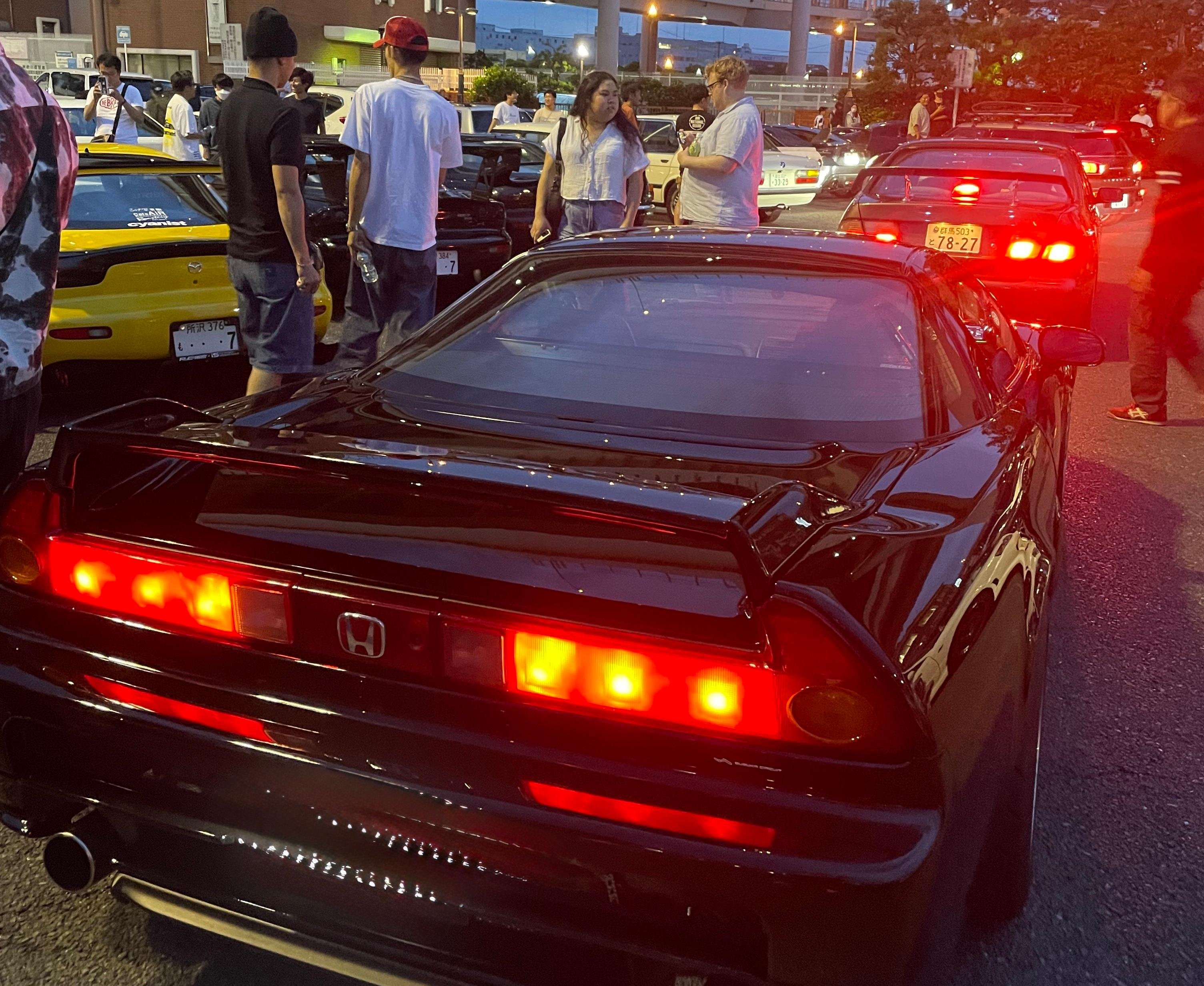
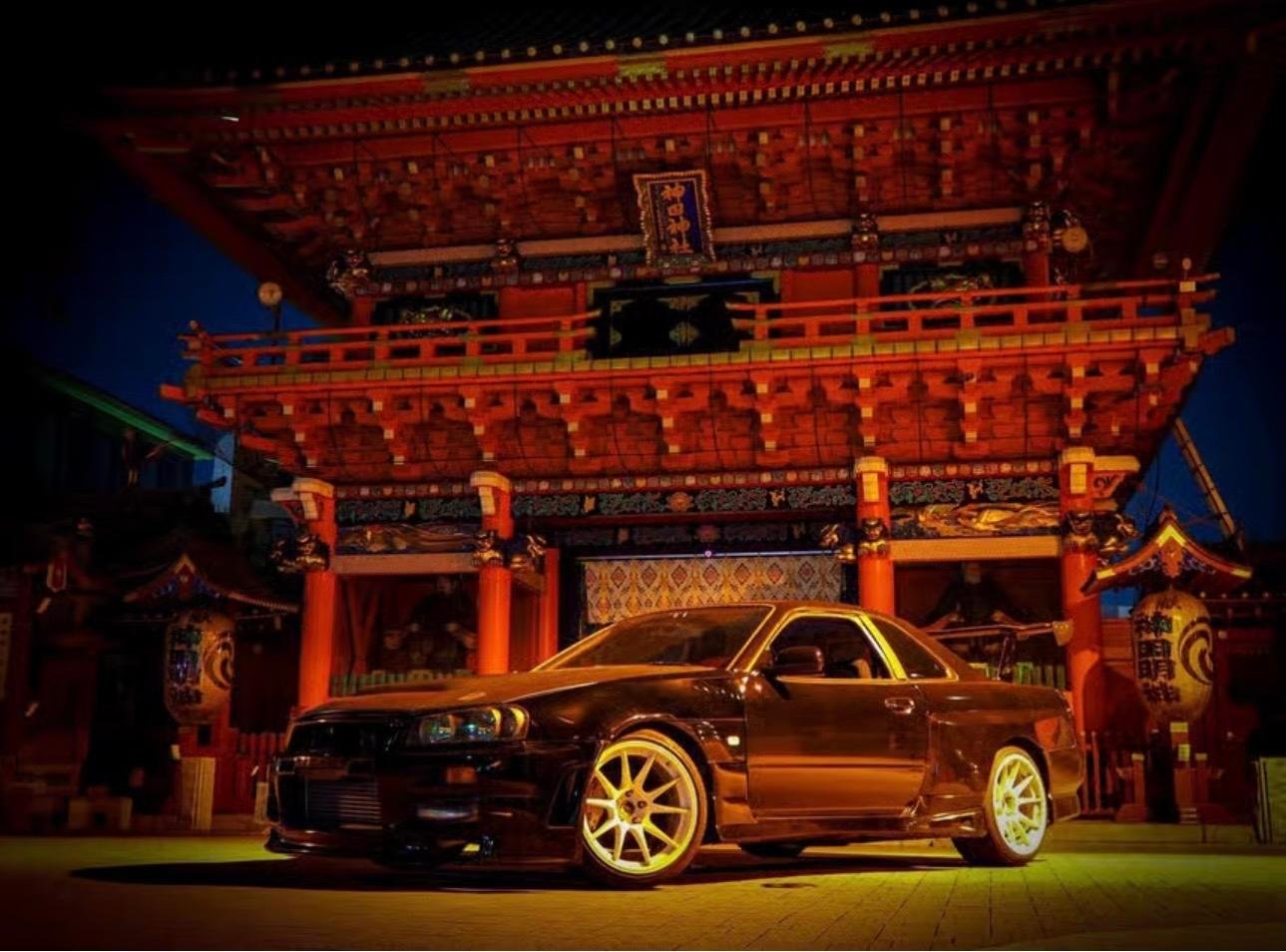
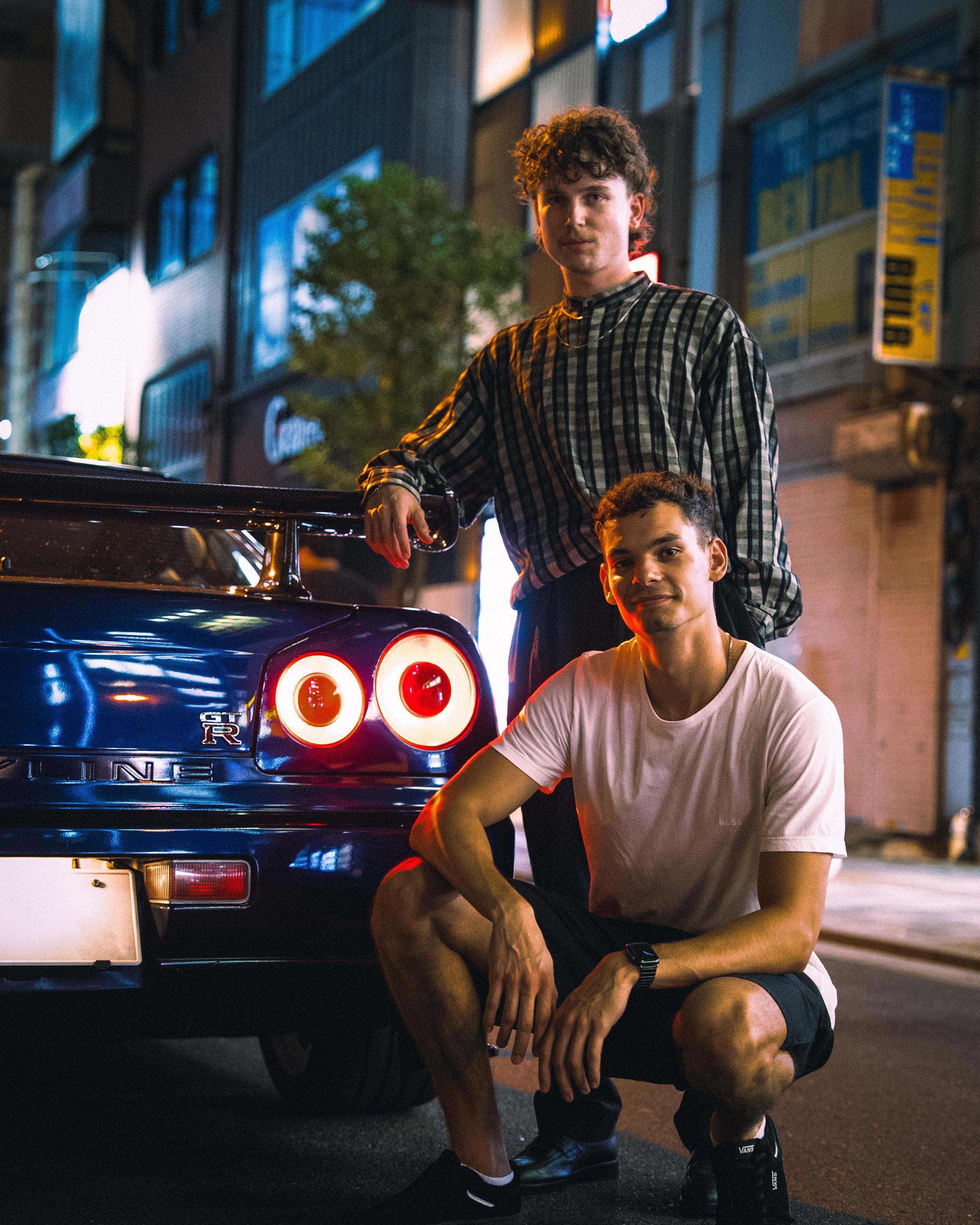
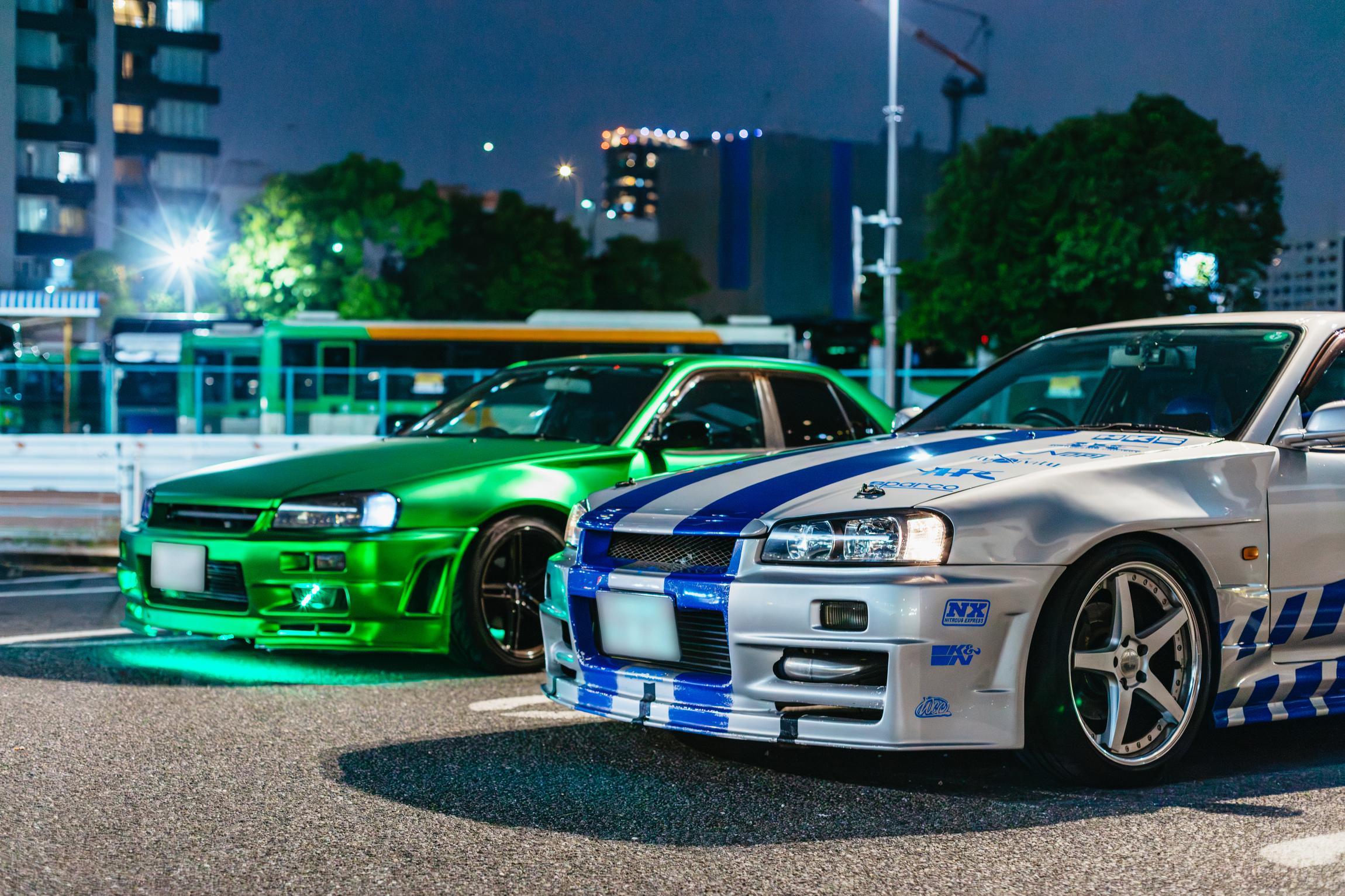
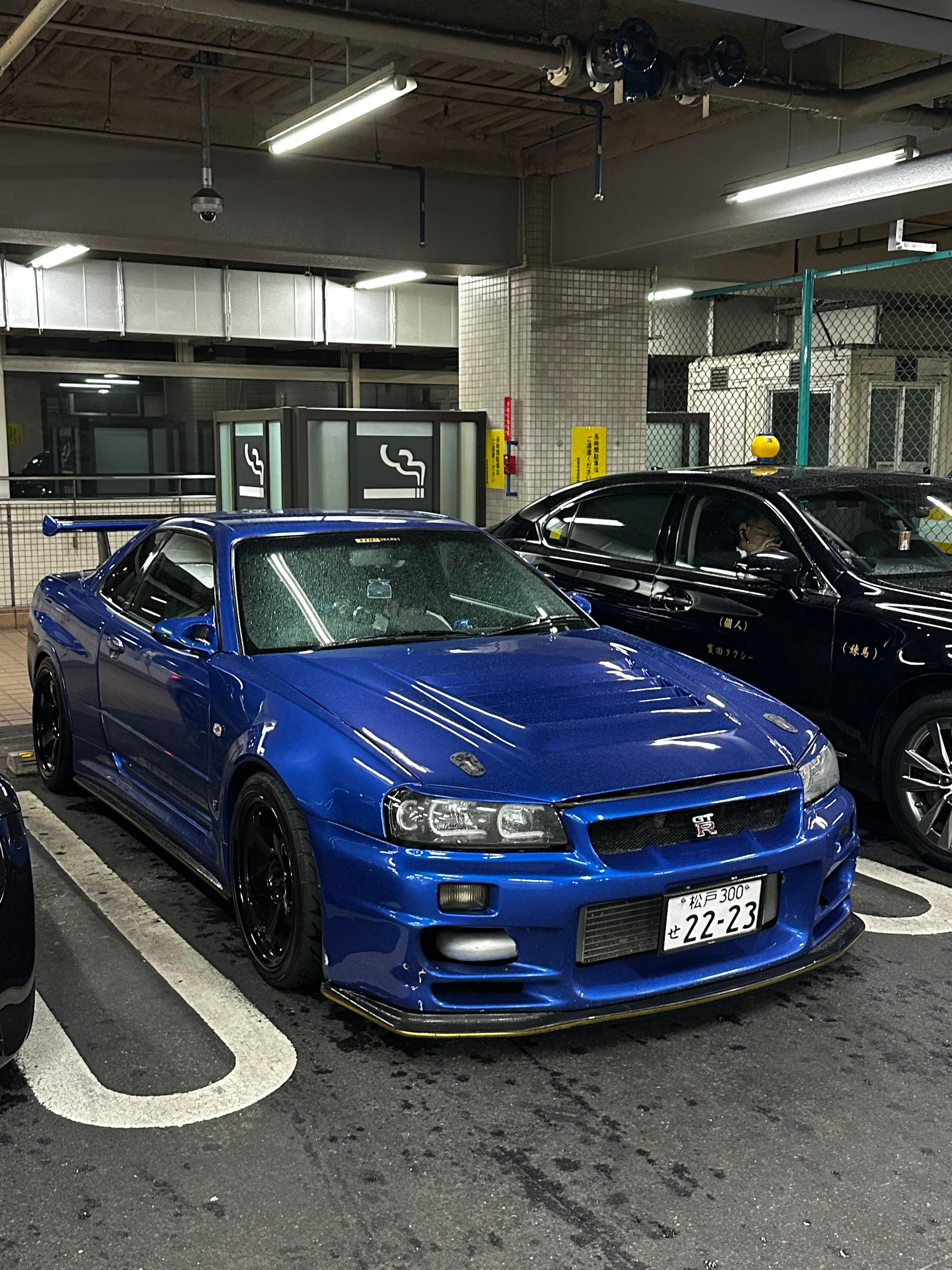
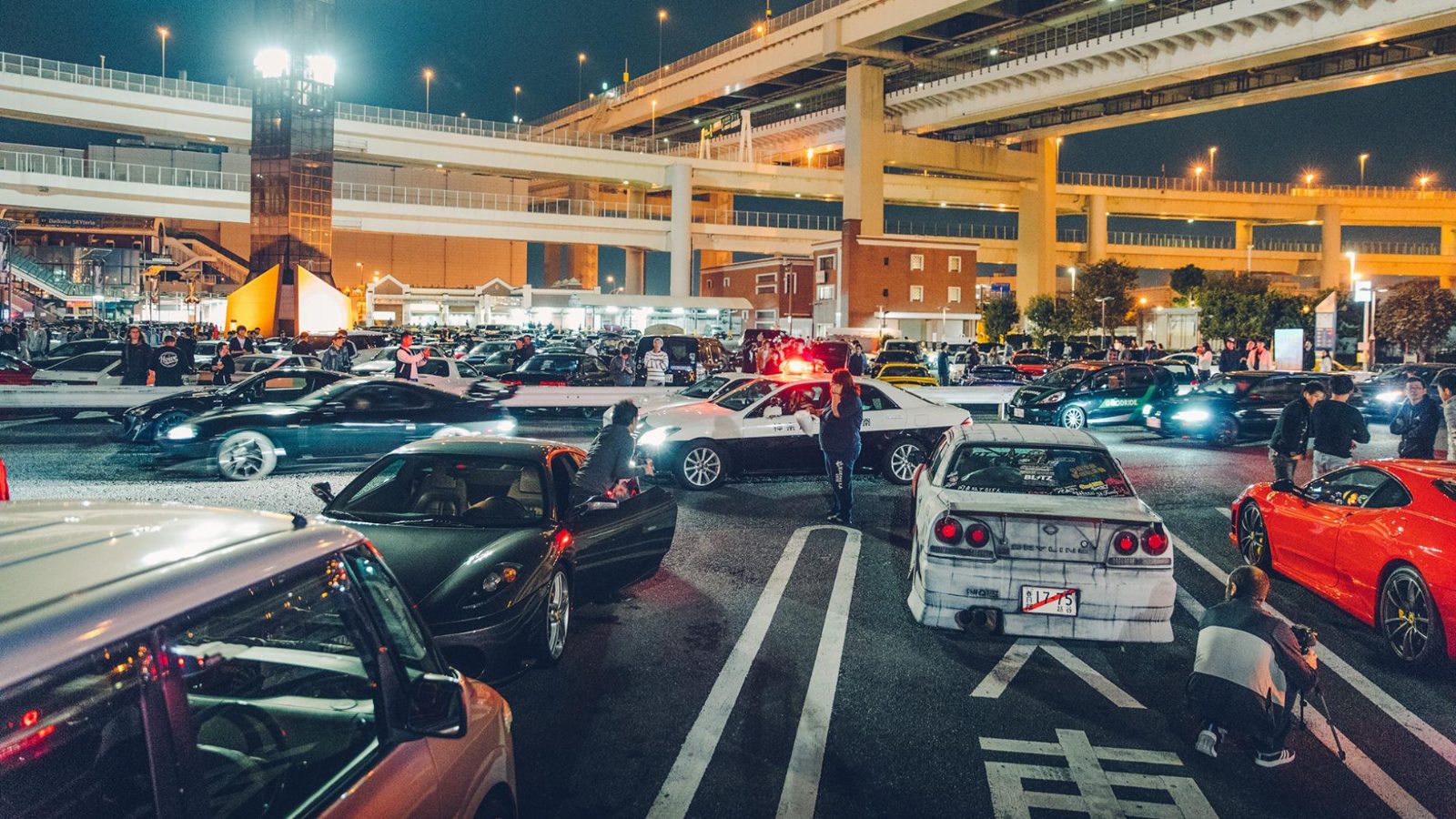
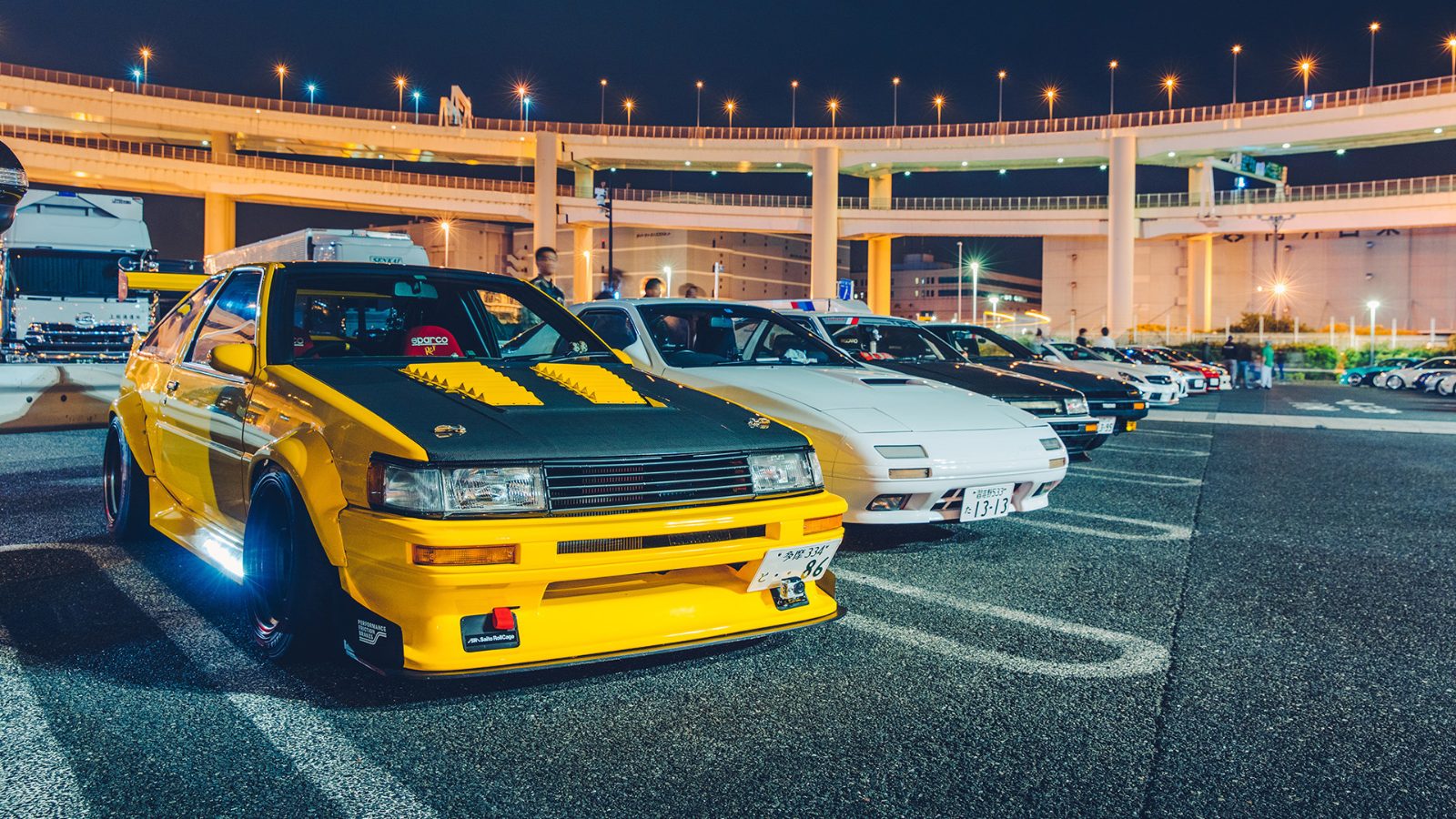
You exit the Bayshore Route at Daikoku Futo just after nightfall, expressway tolls paid, and the elevated lot reveals itself as a glowing grid of parked machinery. Your guide leads you past rows of polished Skylines, their owners crouched beside open hoods discussing intercooler routing. You pause at a pearl-white R34 GT-R, its owner explaining the provenance of the Nismo Z-Tune aero kit in careful English. Camera raised, you wait for the nod before capturing the carbon-fiber diffuser and quad exhaust tips. The air smells of high-octane fuel and brake dust. You move through clusters of enthusiasts, each group orbiting a particularly rare build — a midnight purple R33, a silver Supra with single-turbo conversion, a Hakosuka coupe restored to 1972 factory spec. Your guide translates the technical debates, pointing out the subtle details that separate a 200,000-yen paint job from a million-yen one. You crouch beside a rotary-swapped FD RX-7, its owner demonstrating the sequential transmission's lightning shifts. By 21:30, the lot reaches capacity. Container cranes blink red in the distance. The Tokyo skyline glows across the bay. You sip canned coffee from the parking area's vending bank, notebook filled with chassis codes and tuning shop names, understanding now why this unmarked rest stop commands pilgrimage status among Japan's car culture faithful.
All the details about your upcoming adventure in one place
Your private daikoku tour takes you into Japan's legendary car culture hotspot at Daikoku Parking Area, where enthusiasts gather nightly with rare sports cars, modified imports, and classic JDM legends. This exclusive private daikoku tour tour connects you directly with the street racing heritage that shaped Tokyo's automotive scene, offering guided access to one of the world's most photographed car meets. Private daikoku tour tickets include transportation, expert commentary on vehicle modifications, and opportunities to interact with collectors showcasing everything from Skyline GT-Rs to vintage Supras.
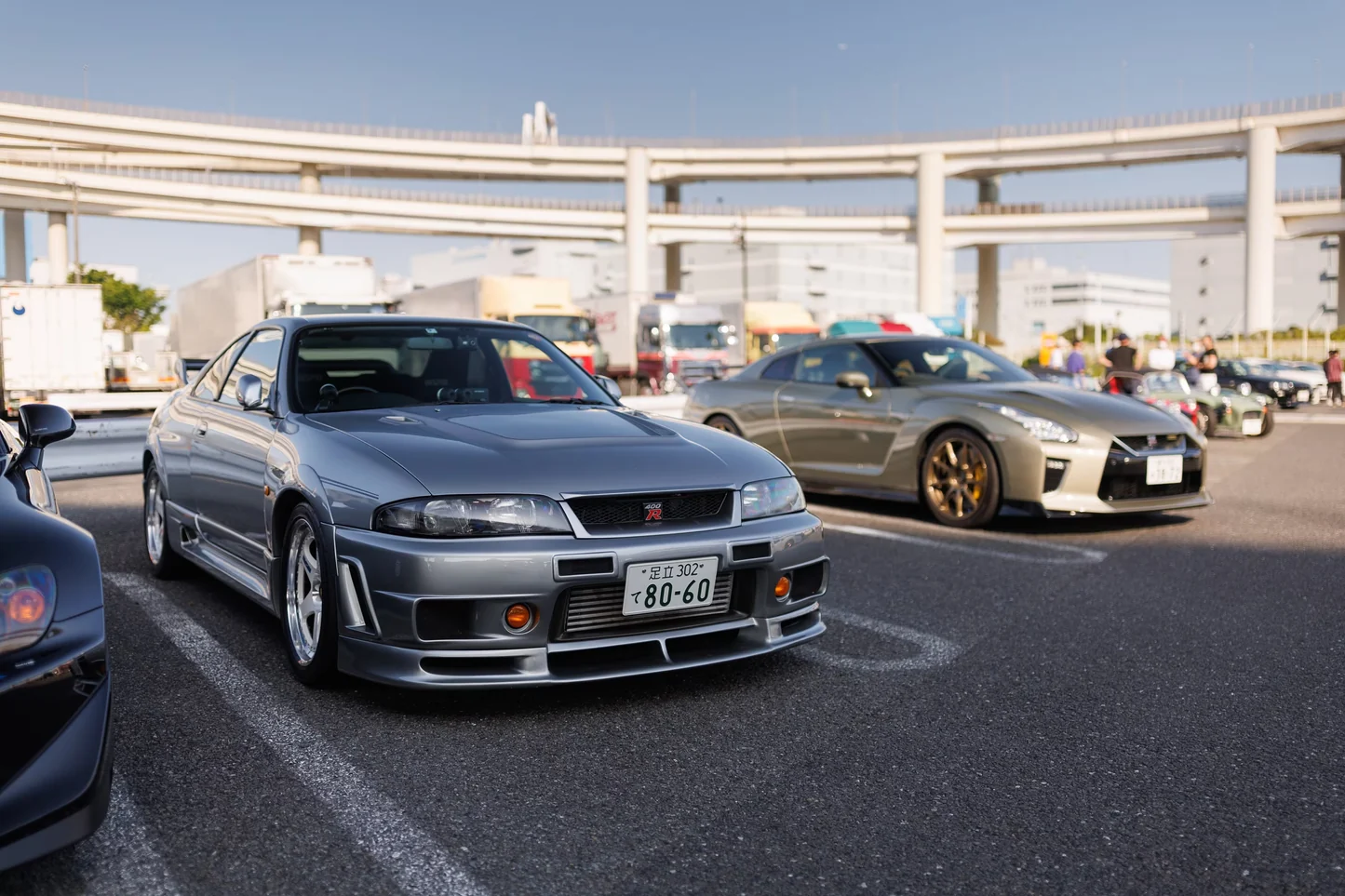
Every Friday and Saturday night, the elevated loop of the Bayshore Route deposits a procession of highly modified Japanese sports cars onto a concrete island floating in Yokohama Bay. Daikoku Parking Area — officially a highway rest stop on the Shutoko expressway — has served as Japan's most famous automotive gathering point since the early 1990s, when street racers sought neutral ground away from Shibuya police sweeps. The 15-hectare facility was never designed as a car meet venue, yet its location between container terminals and the Yokohama Bay Bridge created a natural amphitheater for enthusiasts to display decades of tuning culture. The parking area gained international visibility through the 2006 film that documented Tokyo's underground racing scene, though locals had treated Daikoku as sacred ground long before Hollywood cameras arrived. On peak nights between spring and autumn, the lot hosts upward of 800 vehicles: Nissan Skylines spanning four generations, turbocharged Supras, rotary-powered RX-7s, vintage Hakosuka coupes, and mid-engine NSXs. Private Daikoku tour operators now bridge the gap between curious visitors and the tightly-knit community of owners, many of whom have spent decades perfecting single builds. These guided experiences provide context that casual observers miss — the significance of a particular shade of Bayside Blue, the engineering behind a sequential gearbox conversion, the etiquette of approaching a rare Kenmeri without invitation. The culture operates on unwritten rules. Cameras remain holstered until permission is granted. Revving engines to impress earns silent disapproval. Owners arrive not to race — Daikoku is explicitly a static display environment — but to share engineering philosophy and debate the merits of aftermarket turbo kits over convenience-store coffee. Police presence increased after 2019, with periodic closures enforced when crowds exceed capacity, yet the meet persists as one of the few legal venues where Japan's automotive subculture surfaces into public view. The Daikoku Futo exit remains unmarked on tourist maps, expressway tolls discourage casual visitors, and the meet's survival depends on maintaining respect between participants and authorities. What began as an informal Friday-night refuge for Wangan racers has matured into a curated exhibition of Japanese tuning history, where a 1972 Hakosuka commands the same reverence as a freshly imported R34 GT-R. Guided tours operate within this delicate ecosystem, offering structured access without disrupting the social fabric that keeps the meet functional. Participants learn to distinguish between period-correct restorations and modern reinterpretations, understand why certain chassis codes appear more frequently than others, and recognize the regional tuning shops whose stickers serve as pedigree markers. The experience remains raw — no velvet ropes, no staged photo ops — because authenticity is the only currency Daikoku's regulars accept.
What began as an informal Friday-night refuge for Wangan racers has matured into a curated exhibition of Japanese tuning history.
Casual and comfortable attire is standard for this automotive landmark. Dress appropriately for the season, as a private daikoku tour involves spending time in an open-air lot exposed to the elements.
There are no security checkpoints at the entrance. However, the site is monitored by local law enforcement to ensure order, and all visitors should keep personal belongings with them at all times.
Photography is generally welcome as many car owners enjoy the attention. Always ask for permission before photographing individuals or their vehicles during your private daikoku tour, and never use drones, as they are prohibited in expressway zones.
The area is open to all, but parents must maintain constant supervision of children. Active vehicle movement and large crowds during a private daikoku tour can create safety risks in the parking rows.
The facility features restrooms and paved walkways suitable for all visitors. Please note that movement within the parking lot itself requires caution due to active vehicle traffic and the lack of dedicated pedestrian lanes.
The site hosts a convenience store and snack options for travelers. Visitors are free to purchase items on-site, though consuming alcohol is strictly prohibited for drivers.
Opening Hours
00:00–23:59 daily
Address
15 Daikokufuto, Tsurumi-ku, Yokohama, Kanagawa 230-0054, Japan
Vehicle Access Only
No pedestrian or public transit entry
Best arrival window
19:00–22:00
Storage
None available at the facility
Navigation
Accessible via Shuto Expressway only
Car · Immediate · Toll applies
Access is only possible by vehicle via the Shuto Expressway.
As a public expressway rest area, there are no entrance tickets and no formal cancellation policies. For a private daikoku tour booked through an operator, verify their specific refund terms regarding police-enforced parking area closures.
Recommended time
2-3 hours
A private daikoku tour typically requires 2-3 hours to observe the evolving JDM car culture and modified automotive landscape. You should allocate more time if you intend to engage with owners, though keep in mind that police may restrict entry during extreme traffic density. This duration ensures you experience the site atmosphere without overstaying the frequent turnover of local enthusiast vehicles.
Crowd levels through the day
Weather · crowds · average price — dots go green to amber to red as each metric rises.
Mild temperatures make for comfortable evening viewing of JDM cars.
Lively atmosphere but high humidity; nights are peak for car gatherings.
Clear, cool nights provide excellent conditions for night-time photography.
Crisp air and fewer crowds create a moody setting for the Yokohama Bay backdrop.
Follow all staff instructions immediately to keep the location open for everyone.
Monitor local Twitter/X feeds before departure to verify if the area is currently open.
Never encourage engine revving, as this triggers police intervention.
Aim for the 19:00–22:00 window to experience the scene before peak congestion.
Daikoku Parking Area opened in 1985 as a functional rest stop along the Bayshore Route of the Shuto Expressway, designed to serve commercial truckers and long-haul drivers navigating Yokohama's industrial waterfront. The facility occupied reclaimed land in Tsurumi Ward, offering little more than vending machines and basic restrooms. Within three years, however, night-shift logistics workers began noticing modified Nissan Skylines and Toyota Supras gathering in the lot after midnight. By 1991, the parking area had become an unsanctioned showcase for Japan's emerging tuning subculture, with enthusiasts displaying widebody kits, aftermarket turbos, and custom paint under the sodium lamps. The 1995 release of the racing video game Tokyo Xtreme Racer cemented Daikoku's reputation, depicting the location as a virtual meet-up point for illegal street racers. Police responded with periodic crackdowns, closing the facility on weekend nights throughout 1998 and 2001. Metropolitan authorities considered permanent closure but ultimately opted for increased surveillance and a ban on idling vehicles after 23:00. These measures failed to deter the community. Enthusiasts adapted by arriving earlier, treating Daikoku as a rolling exhibition rather than a static gathering. International car magazines began featuring the site in photo spreads by 2003, and YouTube channels dedicated to JDM culture amplified its visibility after 2008. Today, Daikoku functions simultaneously as a working highway rest stop and an unofficial automotive museum. Tour operators now offer private Daikoku tour experiences that contextualize the location's dual identity, guiding visitors through the expressway toll system and explaining the unwritten etiquette governing car displays. The parking area remains open around the clock, though the concentration of rare vehicles peaks between 19:00 and 22:00. Metropolitan officials tolerate the gatherings as long as participants respect noise ordinances and refrain from tire-smoking departures. The site has inspired similar meets at other expressway service areas, but none replicate Daikoku's organic fusion of infrastructure and subculture.
Daikoku Parking Area opens on reclaimed Yokohama waterfront land as a Shuto Expressway rest stop for commercial traffic.
Modified sports cars begin appearing in the lot after midnight, forming the nucleus of an informal tuning showcase.
Tokyo Xtreme Racer video game features Daikoku, exposing international audiences to the location's street-racing associations.
Police implement periodic weekend closures and idling bans in response to noise complaints and traffic congestion.
Automotive media coverage and early YouTube content transform Daikoku into a pilgrimage site for JDM enthusiasts worldwide.
Private daikoku tour operators formalize access for international visitors while the parking area maintains its role as a functional highway facility.
Stand near the central light poles to capture the dense rows of modified vehicles and JDM culture displays. This area provides the widest angle of the gathering, making it the preferred choice for a private daikoku tour.
Position yourself near the entrance ramp railing to photograph cars ascending and descending the iconic Daikoku PA curved structure. This is a common location for high-speed shutter shots as vehicles exit the expressway for their private daikoku tour tours.
Walk to the outer edges near the heavy vehicle section to find elevated vantage points that allow for cleaner compositions of sportscars without crowds in the foreground. Using these spaces ensures your private daikoku tour tour photos remain focused on the machinery rather than the surrounding visitors.
Follow the perimeter walkway along the western edge to capture the silhouette of vehicles against the illuminated Yokohama skyline. This area offers a quieter environment, providing ideal lighting for anyone looking to secure professional shots during their private daikoku tour tickets experience.
Visitors embarking on a private daikoku tour will find limited but convenient dining options located directly within the facility's main building. As this is a highway service area, the food selection is designed for quick refueling while you enjoy the car culture scenery near this Yokohama landmark.
This on-site eatery provides standard Japanese comfort foods such as ramen, curry rice, and soba noodles. It is a functional choice for private daikoku tour tours guests needing a warm meal during late-night car gatherings. Daikoku Parking Area Vending Machines
Real experiences from real travelers
Our guide met us at Yokohama Station and drove us to Daikoku Futo just before sunset. The private daikoku tour gave us access to conversations with owners of rare Supras and heavily modified GT-Rs. We learned about the history of this expressway rest stop becoming Japan's most famous car meet spot. The guide translated technical discussions about turbo setups and suspension geometry that we would have completely missed on our own.
Visiting Daikoku PA on a Saturday night was the highlight of our Tokyo trip. The guide knew which evenings draw the biggest crowds and introduced us to several car club members. We saw everything from pristine 1990s Silvias to modern liberty walk kits. The elevated expressway creates this unique covered atmosphere. Worth every yen for anyone serious about Japanese car culture.
This private daikoku tour tickets purchase was smarter than trying to navigate alone. Our guide explained the unwritten etiquette of photographing vehicles and approaching owners. We arrived around 8pm when the parking area starts filling up. The location under the Bayshore Route gives shelter even in light rain. Saw several cars I recognized from social media and got to hear their exhaust notes in person.
The guide's connections made the difference. We got close access to a Rocket Bunny BRZ and a twin-turbo Supra that just came from dyno tuning. Daikoku Futo sits right off the expressway exit so location is convenient. Only issue was some car clubs left earlier than expected that night. Still an essential experience for understanding Tokyo's street racing history and current tuning scene.
Expected just vehicle spotting but got deep context about how this rest area became a meeting point in the 1980s. The private tour format meant we could ask endless questions about Japanese automotive regulations and inspection requirements. Guide showed us the exact spots where famous photographs were taken. The bay view and industrial setting create perfect atmosphere. Much better than generic city tours.
Arranged this Daikoku experience during our honeymoon and my wife appreciated how organized everything was. Guide handled all logistics and even helped us ship a small JDM parts purchase home. The parking area attracts serious builds, not just stock vehicles. We documented over forty different modified cars that evening. The sound of straight-piped RB26 engines echoing under the expressway structure is unforgettable.
Brought my camera gear and the guide knew exactly which angles work best under the expressway lighting. Daikoku PA offers this industrial backdrop that makes every shot dramatic. We stayed for nearly three hours and the crowd kept rotating with new arrivals. Guide explained the seasonal patterns and how summer weekends draw the largest gatherings. Got permission from owners before shooting which shows the value of having local expertise.
This private daikoku tour tours the real side of Japanese car culture, not the sanitized version tourists usually see. Our guide was former drift competitor who knew half the people there. We sat in a 700hp Supra and learned about the cost of building competitive street cars in Japan. The casual atmosphere encourages conversation. Daikoku remains the heartbeat of Tokyo's tuning scene after four decades.
Booked this tour specifically for Daikoku and it exceeded expectations. Guide picked optimal timing on Friday night when the meet was packed. The variety spans every era of Japanese performance from Hakosuka Skylines to current FK8 Civics. Location under the expressway provides shelter and creates this enclosed community feeling. We learned about upcoming events at Fuji Speedway and other venues. Essential for any automotive enthusiast visiting Japan.
Everything you need to know for your journey
The Daikoku Parking Area is open 00:00–23:59, though the site may experience temporary closures. A private daikoku tour can technically be scheduled at any time, but evening visits are most popular.
No, the parking area has a 0 JPY entrance fee. When booking a private daikoku tour, you are paying for the transport and guide expertise, not entry into the Daikoku Parking Area itself.
You must travel by car via the Shuto Expressway. A private daikoku tour usually provides the required vehicle transport to ensure you can enter the Daikoku Parking Area safely.
The area is open to families, but safety is paramount due to the active parking environment during a private daikoku tour.
Yes, photography is a key part of the experience. Just ensure you respect the privacy of others at the Daikoku Parking Area during your private daikoku tour.
The optimal arrival time to see car gatherings before potential police closures is 19:00–22:00.
Reliable operators will have a backup plan. The Daikoku Parking Area is unofficial, so flexibility is vital for any private daikoku tour.
Yes, there is a convenience store at the Daikoku Parking Area that remains open for all visitors.
There is no formal dress code, but casual, comfortable clothing is recommended for your private daikoku tour.
Offers panoramic views of the harbor and bridge structure.
Showcases current and heritage automotive engineering.
A scenic waterfront area ideal for post-tour dinner.
Waterfront hotels with views of the bay.
Convenient access to transit and rental car agencies.
Join thousands of happy travelers who have discovered this incredible experience
Book Your Experience Now